Trend Watch, September 2018
Upcoming Events
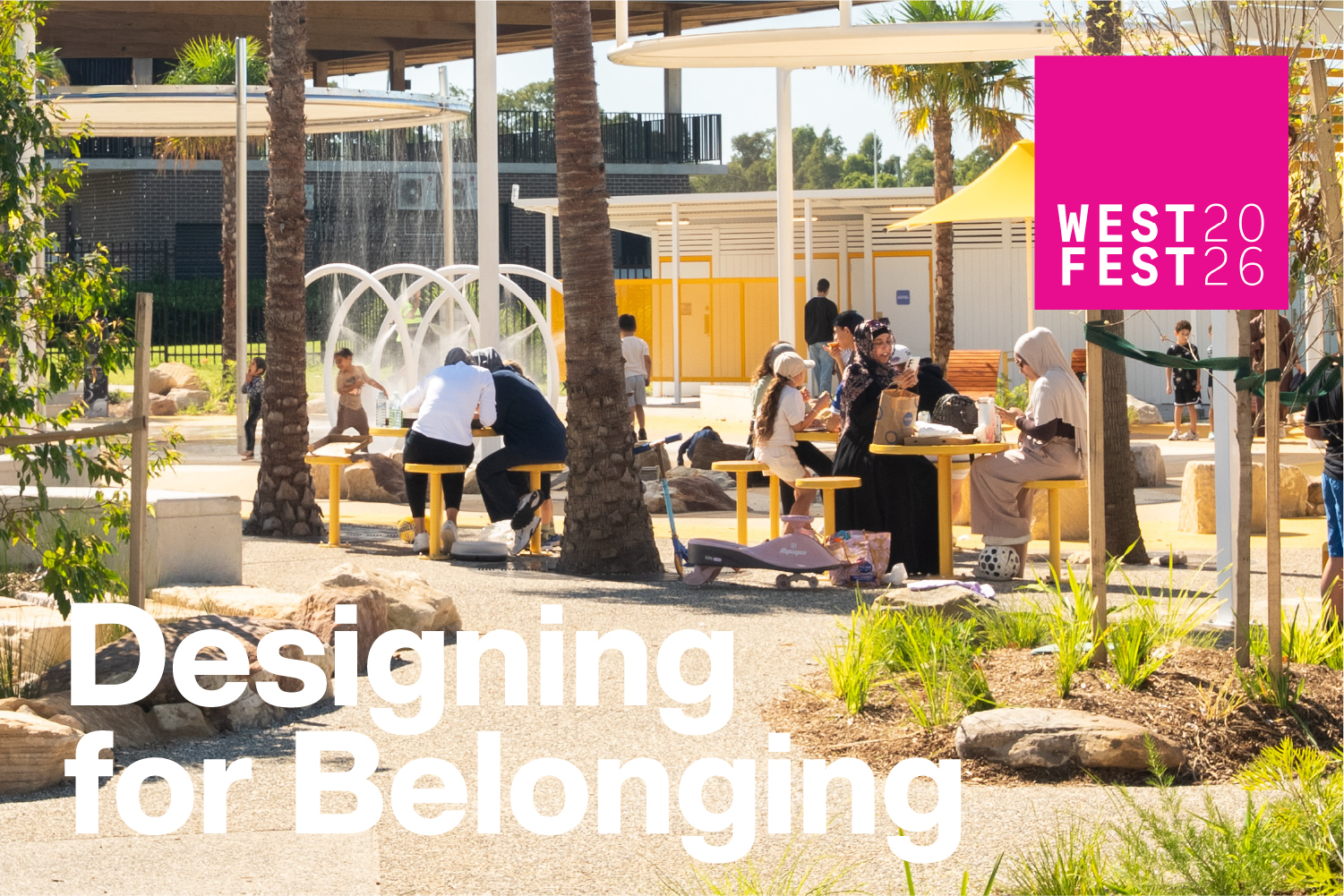
Join us for West Fest 2026: Designing in Belonging
A half-day knowledge exchange hearing from local built environment experts on fostering a sense of belonging in an increasingly dense, digital society.
Read more

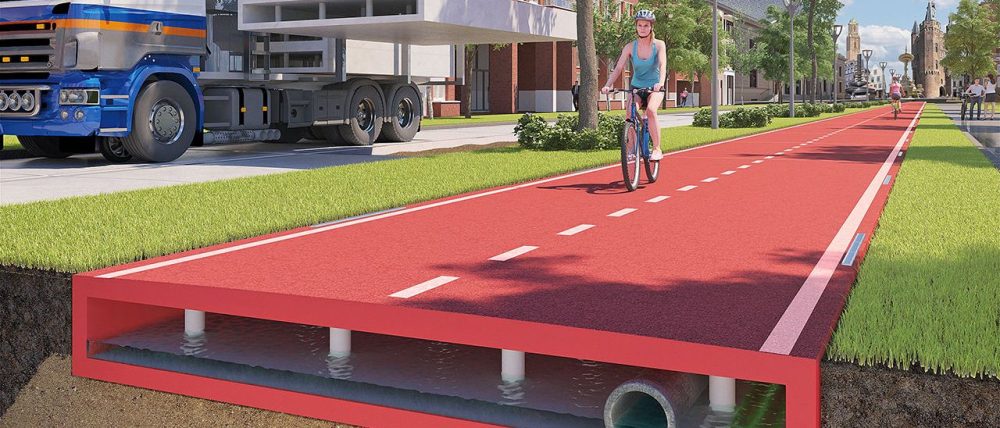
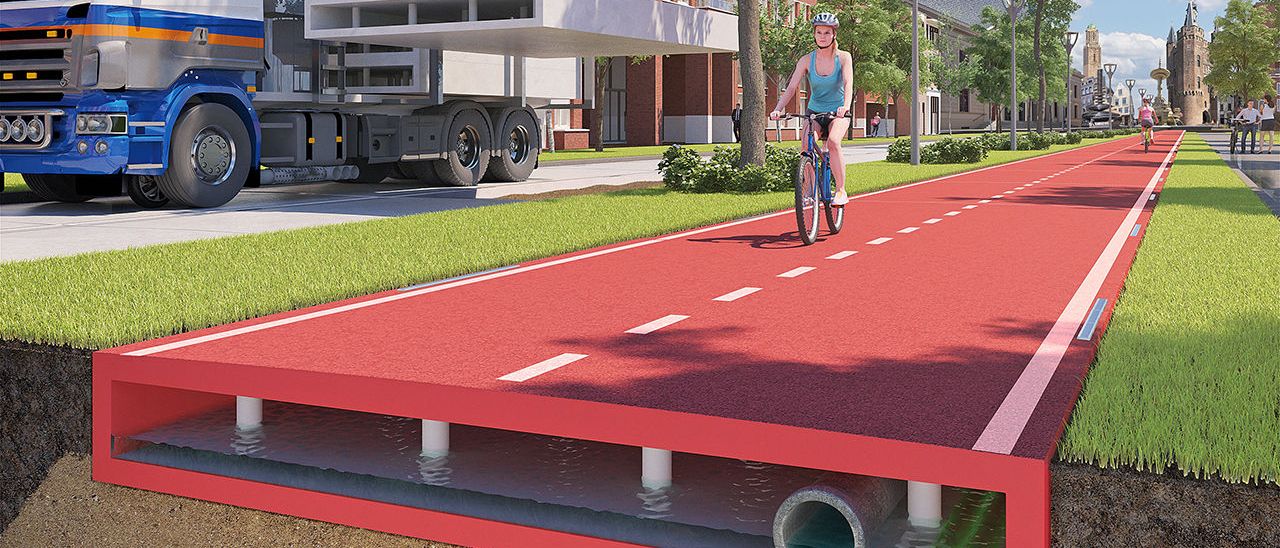
Recycled plastic roads now on trial:
Inventors are currently trialling recycled plastic road technology in the Netherlands, says The Economist, with a 30 metre bicycle track opened in early September.
The first prefabricated PlasticRoad track in Zwolle consists of modular sections made in a factory from 70% recycled plastic and 30% polypropylene. Developers say it includes recycled plastic equivalent to more than 218,000 plastic cups or 500,000 bottle caps.
Sensors to measure temperature, the number of bike passages, durability, flexing and the flow of water through drainage channels, are also fitted inside the path.
Two Dutch firms – KWS, a road builder, and Wavin, a firm that makes plastic piping – are developing the product in partnership with Total, a French oil-and-gas firm.
The trial follows an Australian test project installed in May, with a substance called Plastiphalt laid onto a 300 metre stretch in Craigieburn in Melbourne.
The Plastiphalt was made from recycled material from more than 200,000 plastic bags and packaging, 63,000 crushed glass bottles and toner from 4,500 printer cartridges. All this was blended into 50 tonnes of reclaimed asphalt to create 250 tonnes of road-building material.
The two projects are being monitored for performance.
Image: PlasticRoad.
Melbourne school with no classrooms:
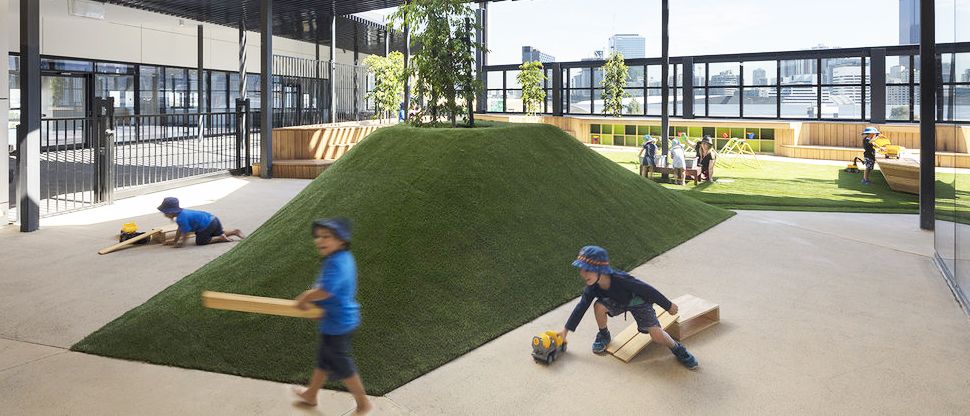
Victoria’s first vertical state school welcomed its first students earlier this year. So-called ‘learning neighbourhoods’ have replaced classrooms inside the multi-level building, says Architecture and Design.
Learning can take place indoors or outdoors at South Melbourne Primary School, depending on the weather, in spaces designed by Hayball in collaboration with Tract Consultants.
“Each learning neighbourhood will effectively accommodate 75 children with three teaching staff,” says Hayball director Ann Lau.
“This is very much about collaborative learning rather than didactic learning.”
The school combines community services and schooling in the one space, writes Foreground. Any ‘hard’ borders between the school and its surrounding area were erased, to create a public facility that invites the community in.
Photo by Dianna Snape and Chris Matterson.
-
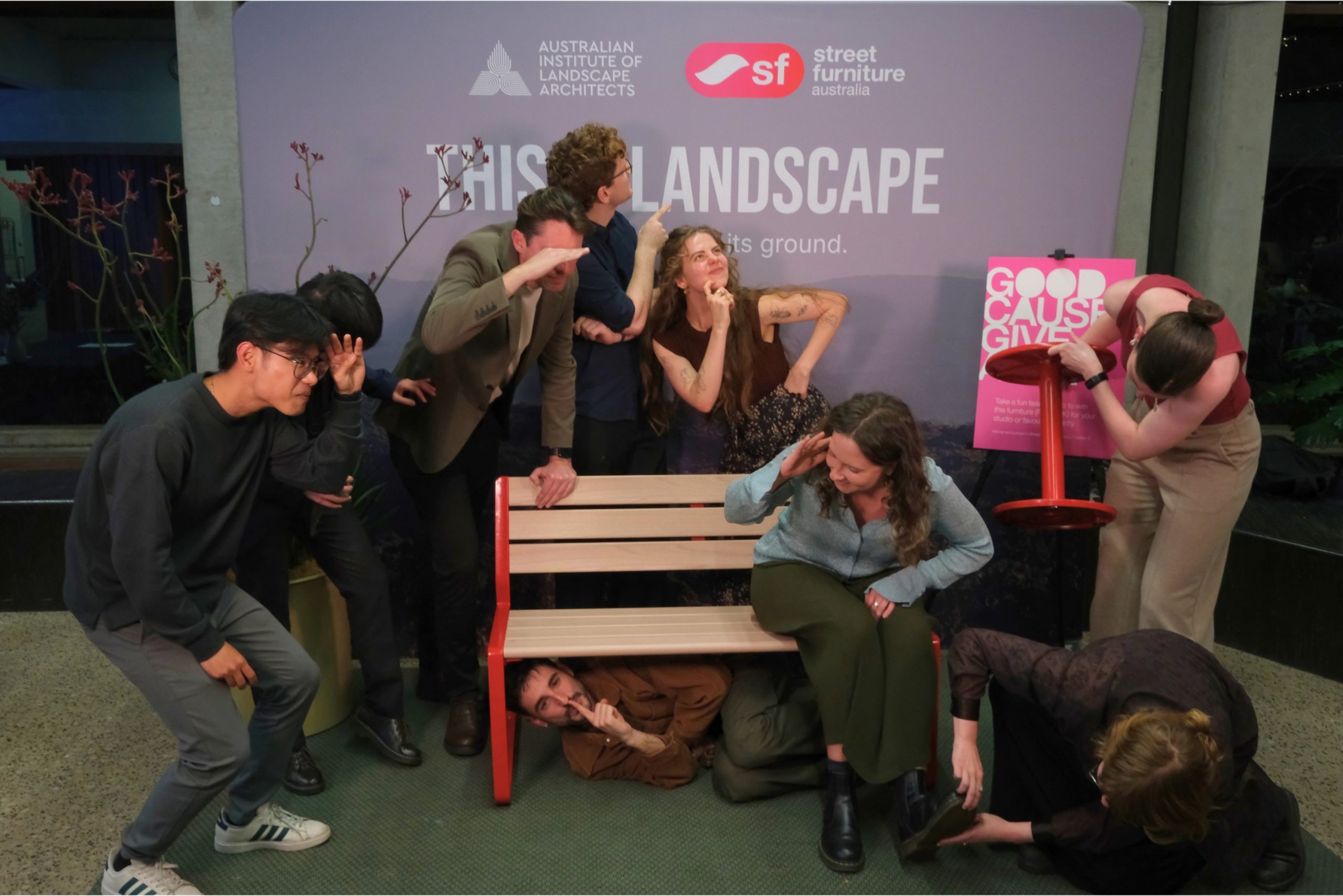
2026 AILA Awards: Good Cause Giveaway
See highlights of all the outstanding creative photos from the 2026 AILA Awards Good Cause Giveaway, and discover which studio team won over 3k worth of furniture for... Read More
-
Join us for West Fest 2026: Designing in Belonging
A half-day knowledge exchange hearing from local built environment experts on fostering a sense of belonging in an increasingly dense, digital society. Read More
-
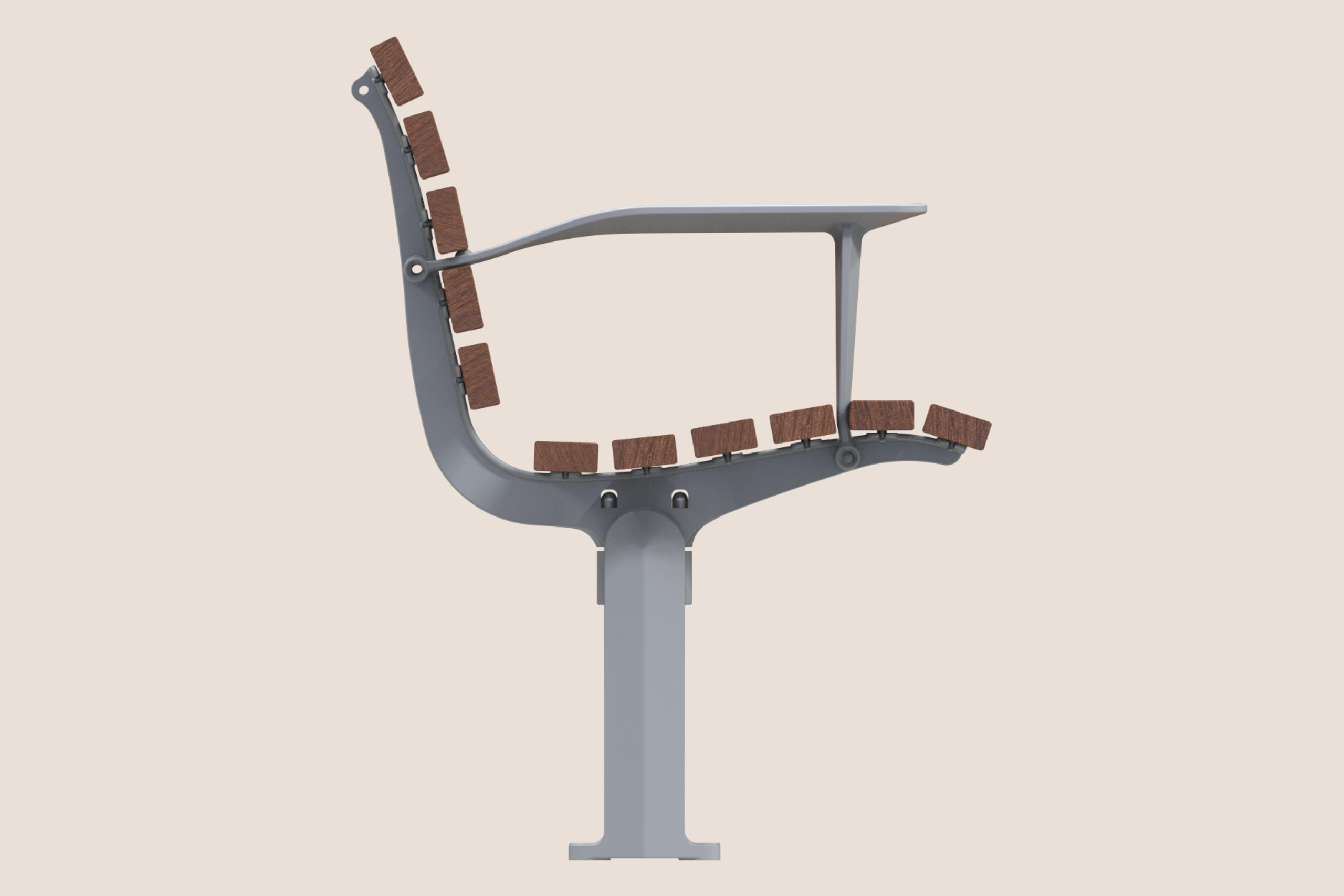
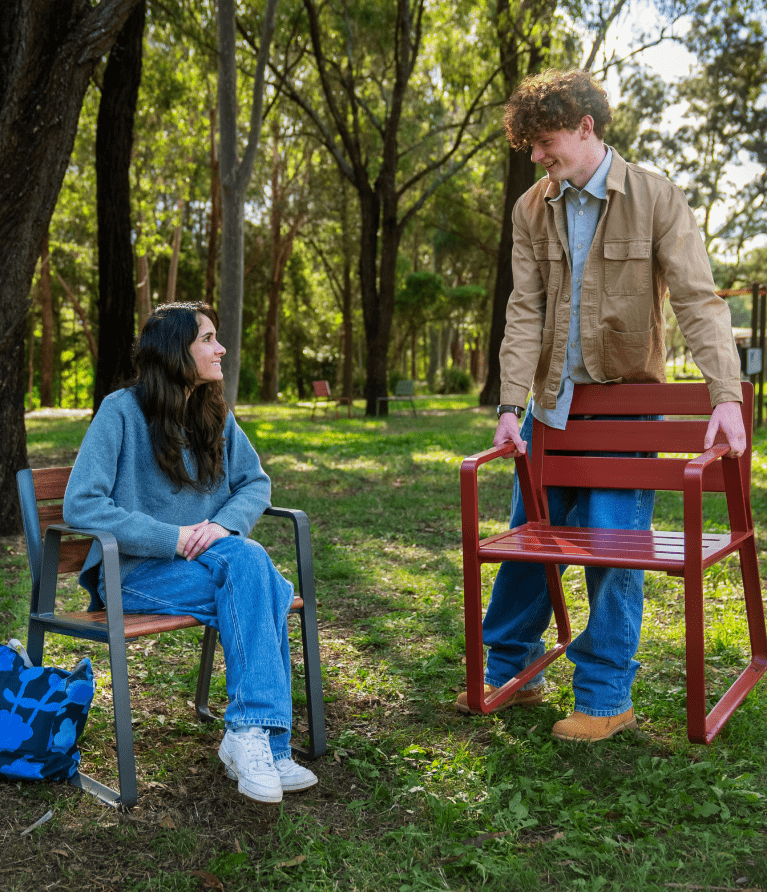
Introducing the new Pillar Leg
Street Furniture Australia’s new Pillar Leg is slimmer but sturdier. Discover what goes into a furniture leg, from fixing and accessibility to design. Read More
-
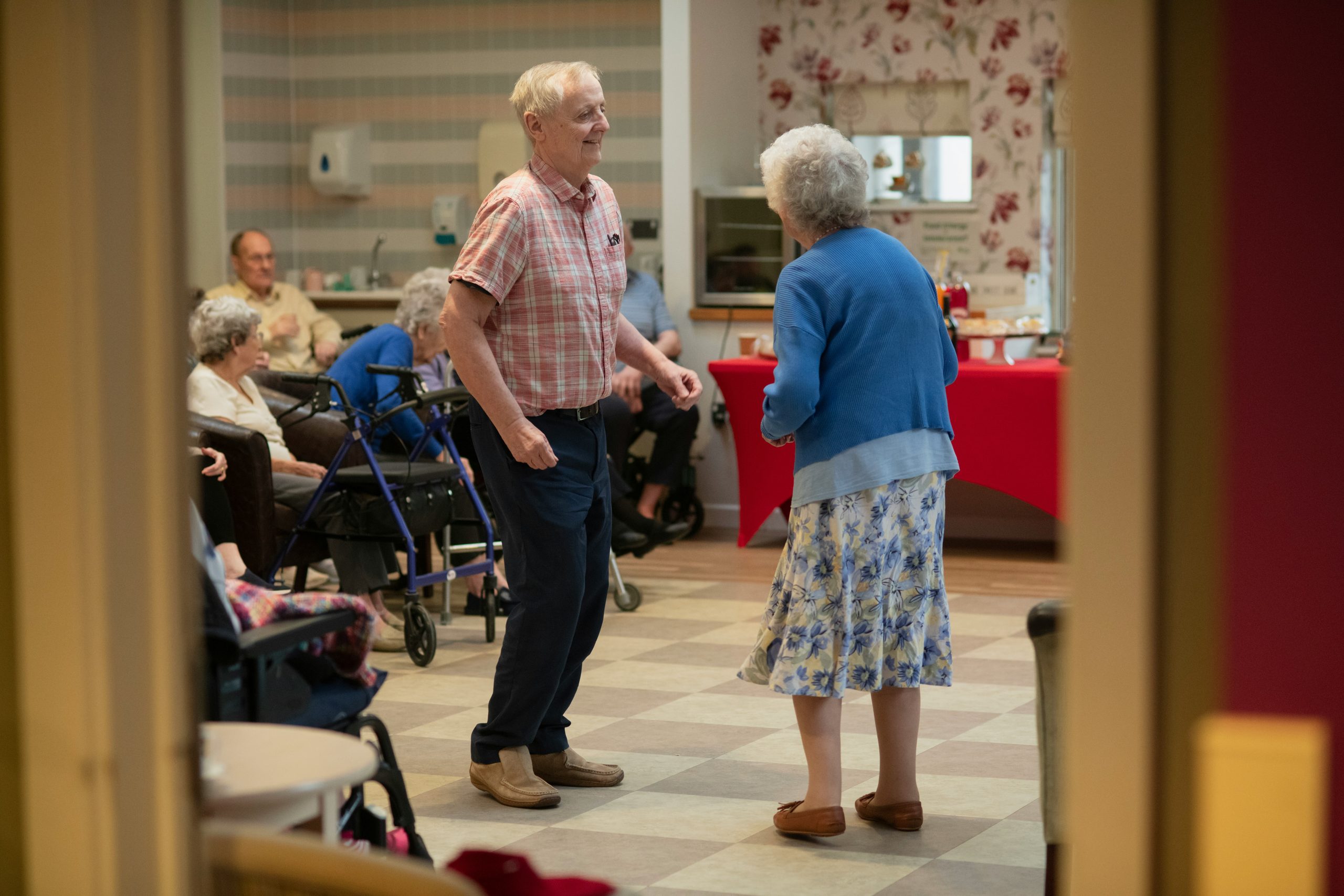
14th Street Y: From active space to community
How did a quiet gym lobby bring together 420+ locals? Learn how 14th Street Y uses social infrastructure and cheap coffee to build community. Read More
-
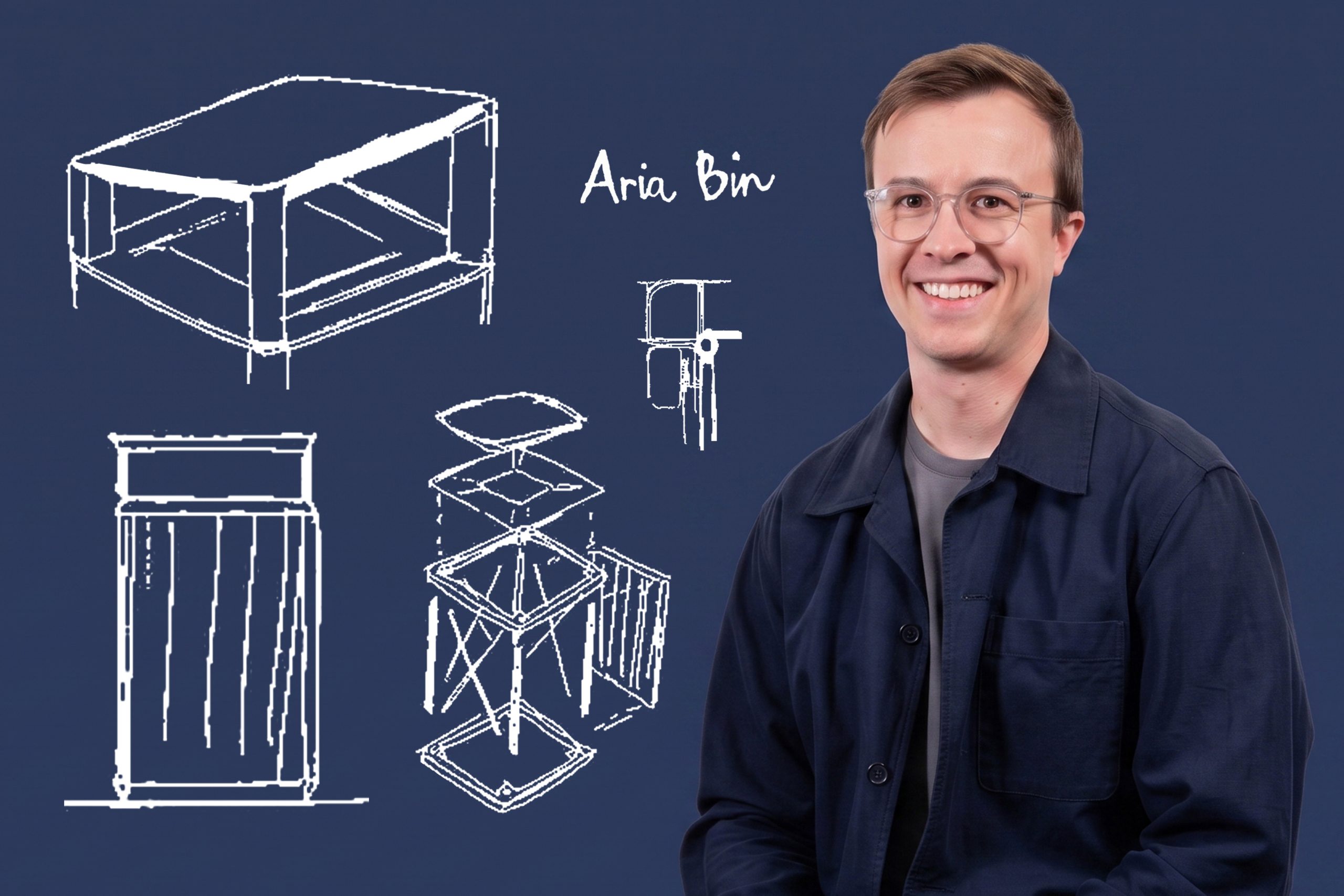
The design story behind Aria Bin
By Francis McArdle, Lead Designer of Aria Bin. There may be no piece of public infrastructure more overused and underappreciated than the humble bin. A basic necessity in... Read More
-
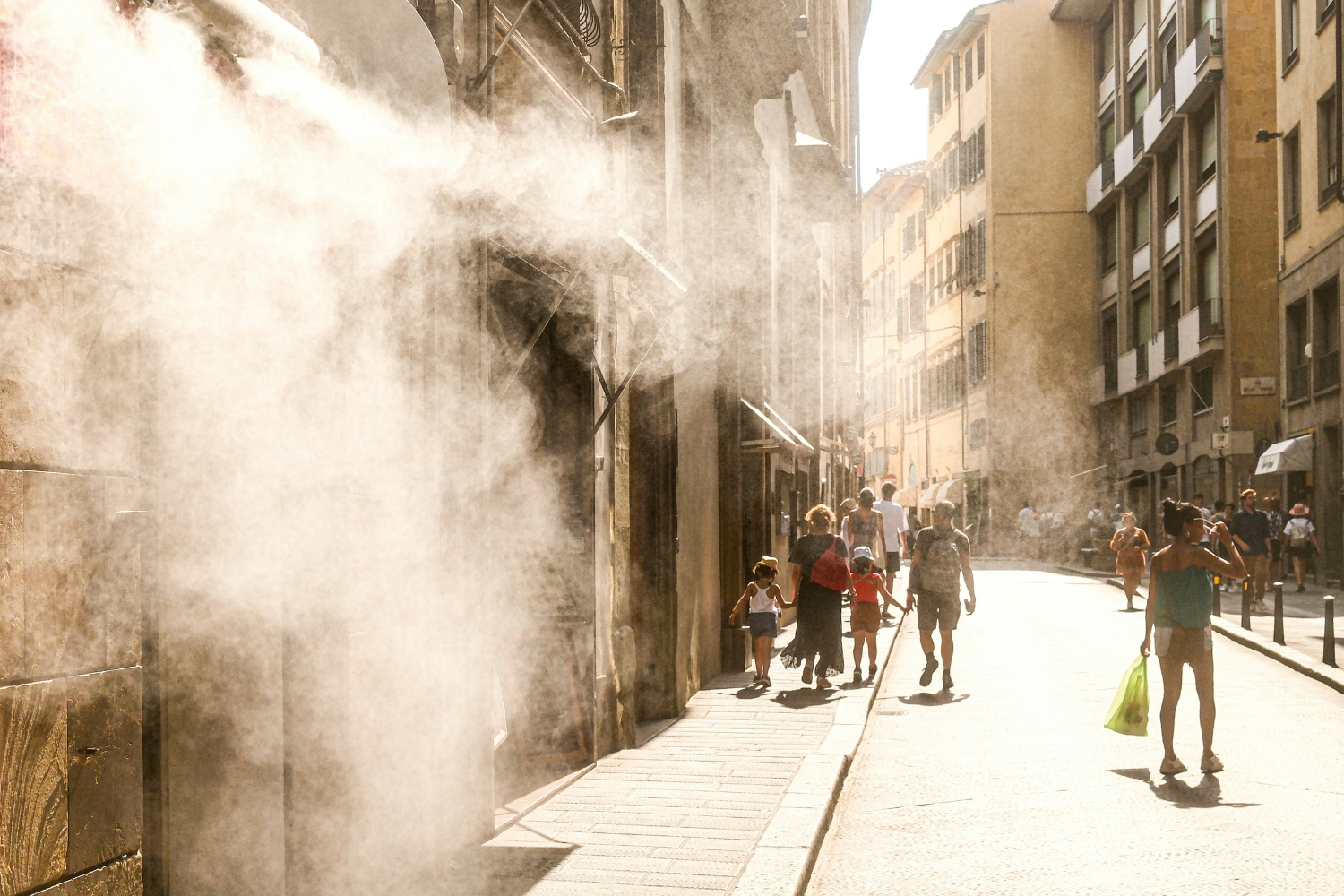
Should heat be regulated?
What if cities regulated heat like fire and flooding? ASLA explores how thermal performance could become a standard part of urban design. Read More