Trend Watch, January 2017
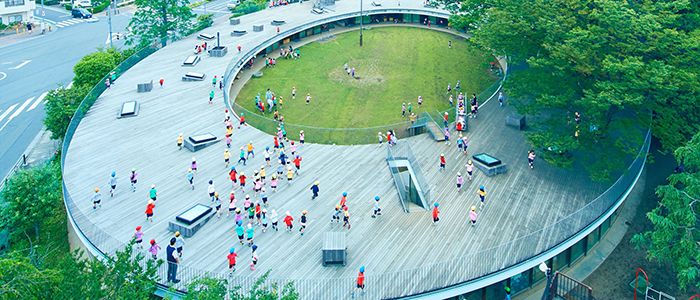


The best kindergarten you’ve ever seen:
At Fuji Kindergarten outside Tokyo, kids are encouraged to follow their impulses to run, climb, slide and play.
Their oval-shaped school, with a low round roof for infinite running games, is designed by Tokyo-based firm Tezuka Architects to dissolve boundaries and invite the outdoors inside.
“We had to build around the trees already there on the land. It wasn’t easy — we couldn’t cut the roots, which spread as wide as the tree crowns. We added these safety nets so the students wouldn’t fall through the holes around the trees,” says designer Takaharu Tezuka.
“But I know kids, and they love to play with nets. Whenever they see a hammock, they want to jump into it, to shake it. These were really just an excuse for me to give the kids another way to play.”
Read via the TED-Ed Blog how Tezuka built a school based on openness, community, and noise.

Democracy Still Lives in Public Spaces:
In January more than 600 rallies attracted thousands of protesters marching in opposition to the agenda and rhetoric of President Donald Trump in 80 countries around the world.
Some 500,000 people turned out for the Women’s March in Washington, the unexpected numbers forcing organisers to abandon plans to march towards the White House.
Public transport was packed and Interim DC Police Chief Peter Newsham said, “The crowd stretches so far that there’s no room left to march.”
While President Trump protests about the media misrepresenting the popularity of his inauguration, those marching together in public spaces can see and feel the crowds, or lack of, for themselves.
Juliet Kahne, for the Project for Public Spaces, speaks about how public spaces serve democracy, in tandem with social media, when citizens need them most.

Seeing society in every bin and lamp post:
London’s street furniture design is a highly contested space. Lovers of classic styles have chained themselves to lamp posts threatened with replacement. Red K2 telephone boxes, post boxes, parking metres designed by Kenneth Grange from the sixties, even electrical junction boxes have been fought over, adopted by communities, placed in museums as objects of art.
Keith Bruce, in the Scotland Herald, talks with Dr Eleanor Herring from the Glasgow School of Art, about these surprising totems of British class struggle.
Photo by Cameron Gibson on Unsplash.
-
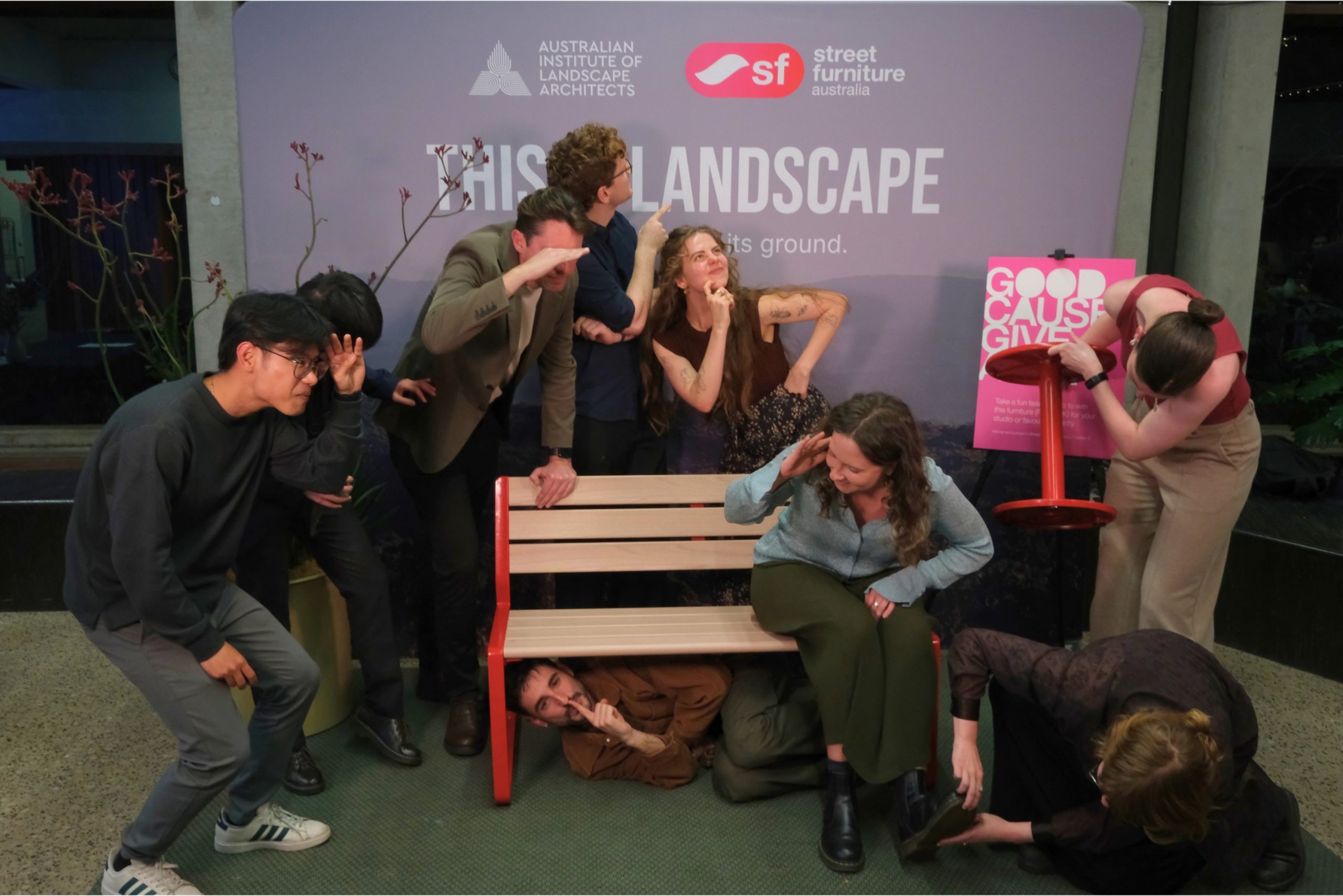
2026 AILA Awards: Good Cause Giveaway
See highlights of all the outstanding creative photos from the 2026 AILA Awards Good Cause Giveaway, and discover which studio team won over 3k worth of furniture for... Read More
-
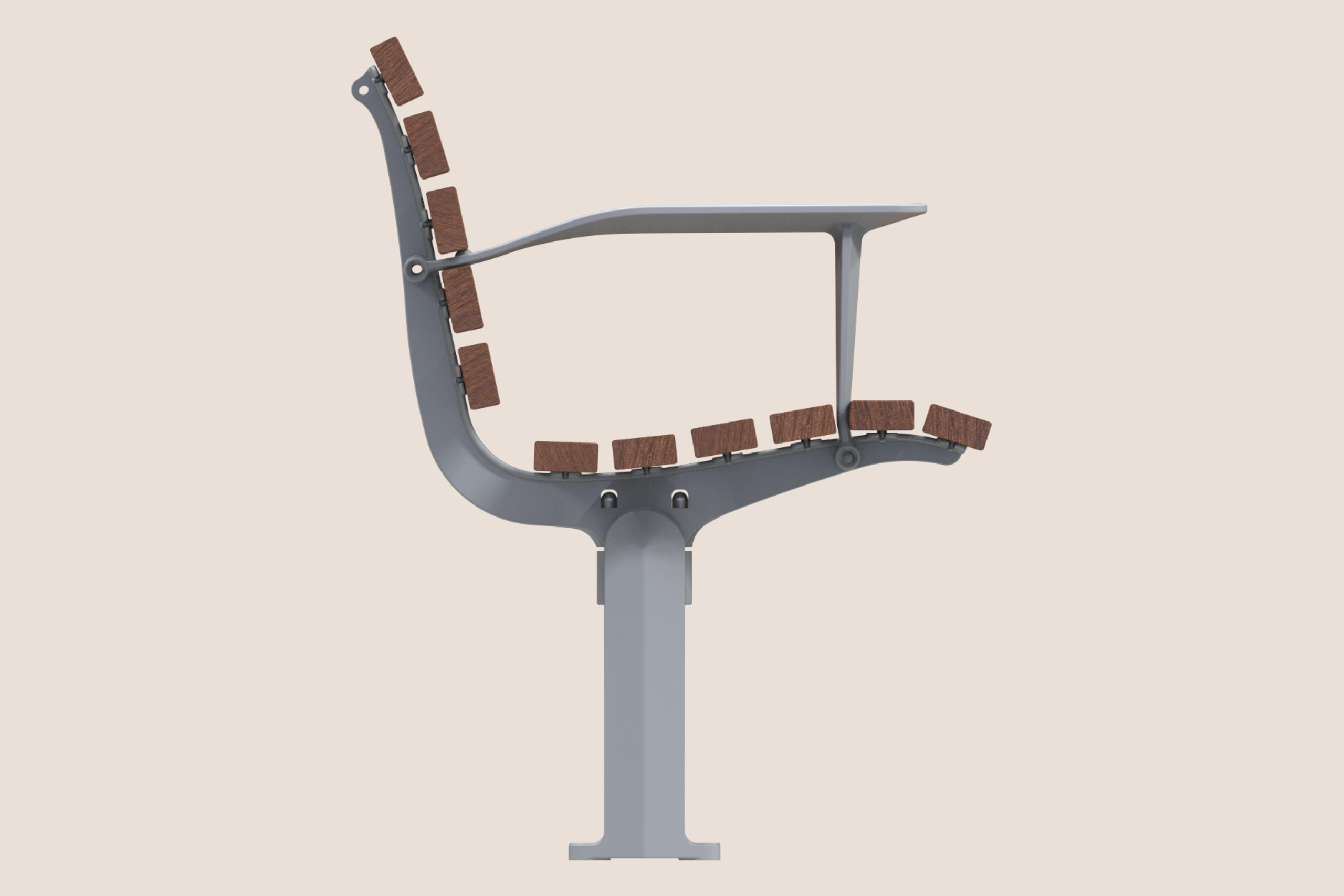
Introducing the new Pillar Leg
Street Furniture Australia’s new Pillar Leg is slimmer but sturdier. Discover what goes into a furniture leg, from fixing and accessibility to design. Read More
-
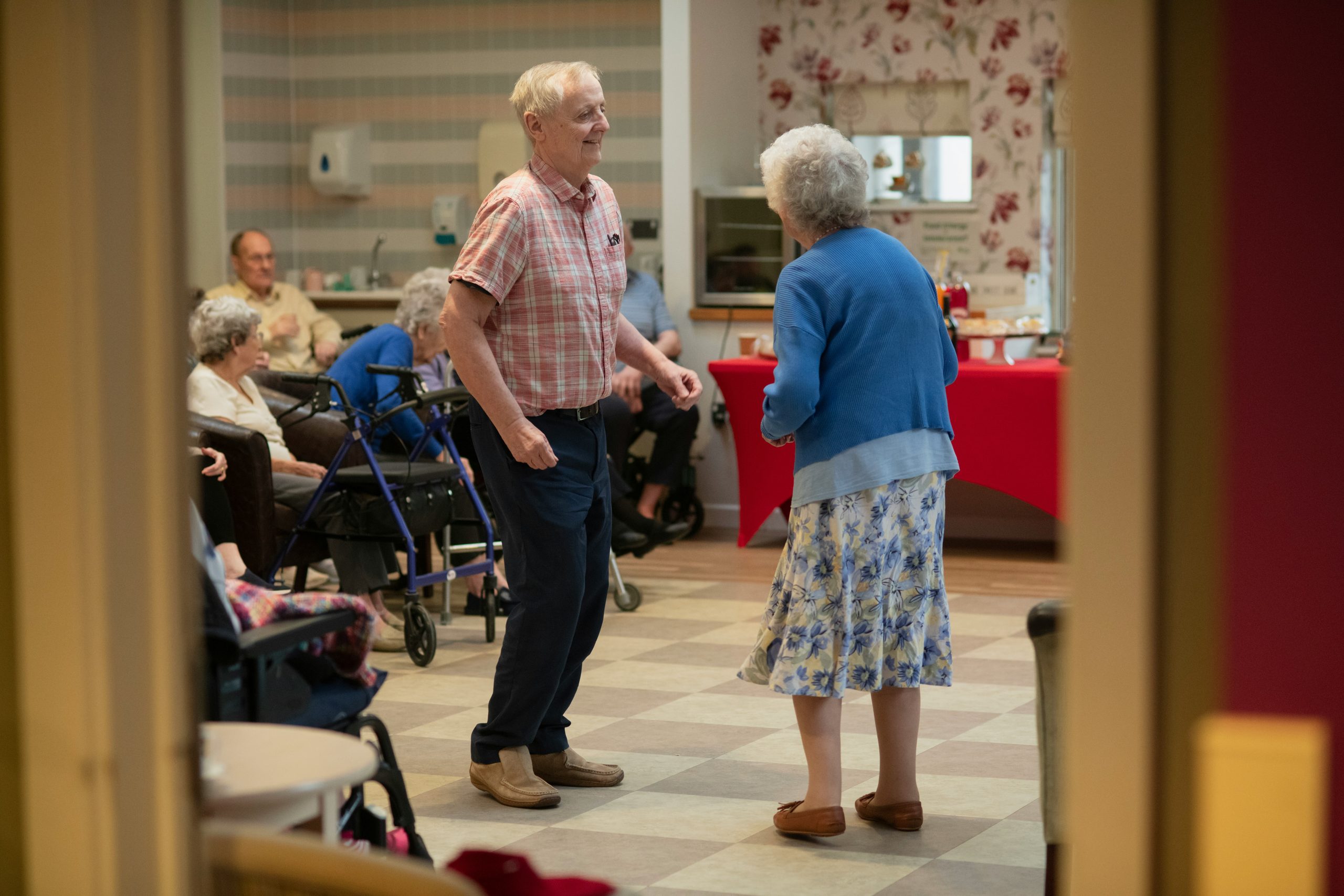
14th Street Y: From active space to community
How did a quiet gym lobby bring together 420+ locals? Learn how 14th Street Y uses social infrastructure and cheap coffee to build community. Read More
-
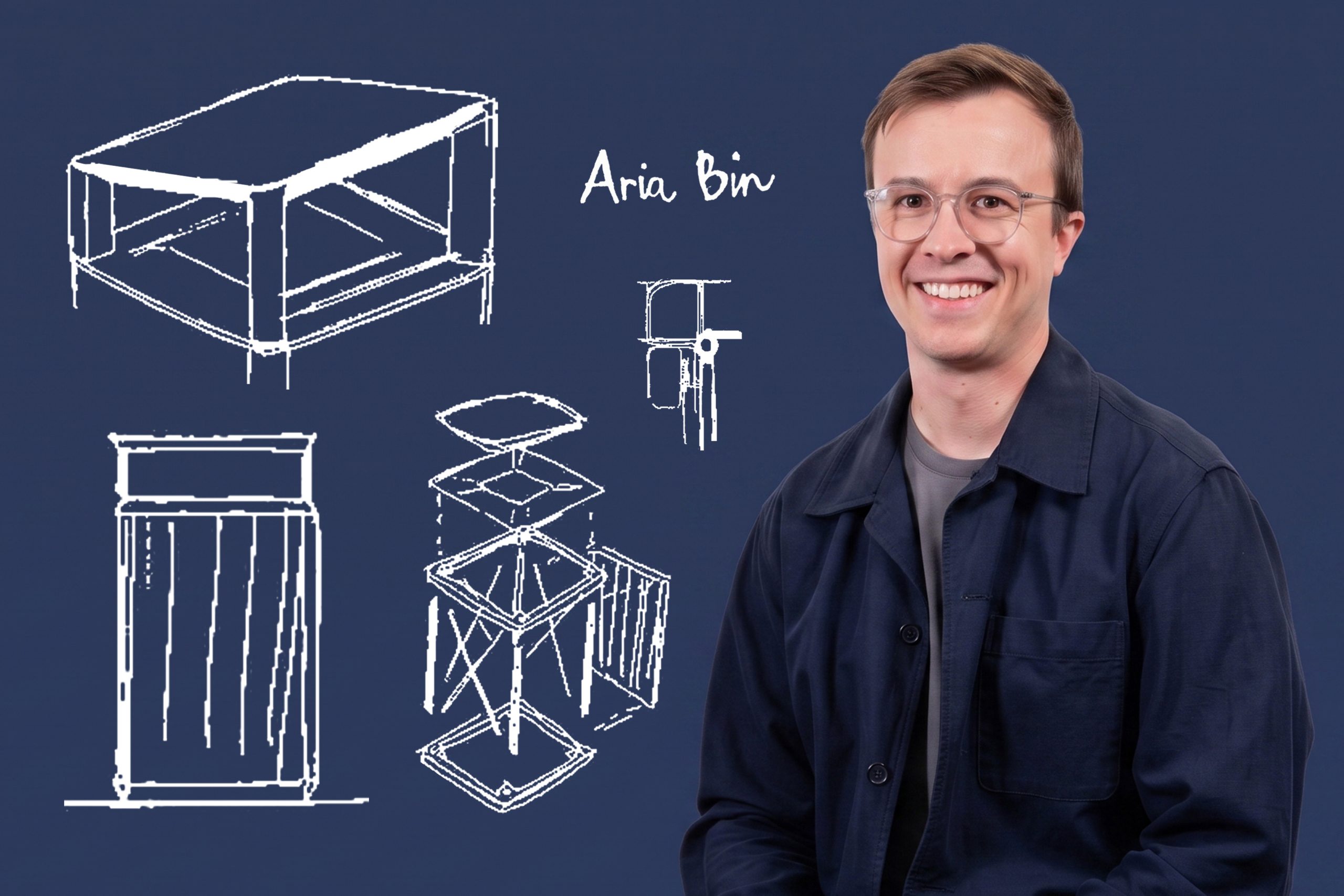
The design story behind Aria Bin
By Francis McArdle, Lead Designer of Aria Bin. There may be no piece of public infrastructure more overused and underappreciated than the humble bin. A basic necessity in... Read More
-
Should heat be regulated?
What if cities regulated heat like fire and flooding? ASLA explores how thermal performance could become a standard part of urban design. Read More
-
GreenScapes 2026: Did Queensland’s newest landscape industry show deliver?
Explore highlights from GreenScapes 2026 as Street Furniture Australia reflects on QLD’s new landscaping and design industry show. Read More