Trend Watch August 2024
Upcoming Events
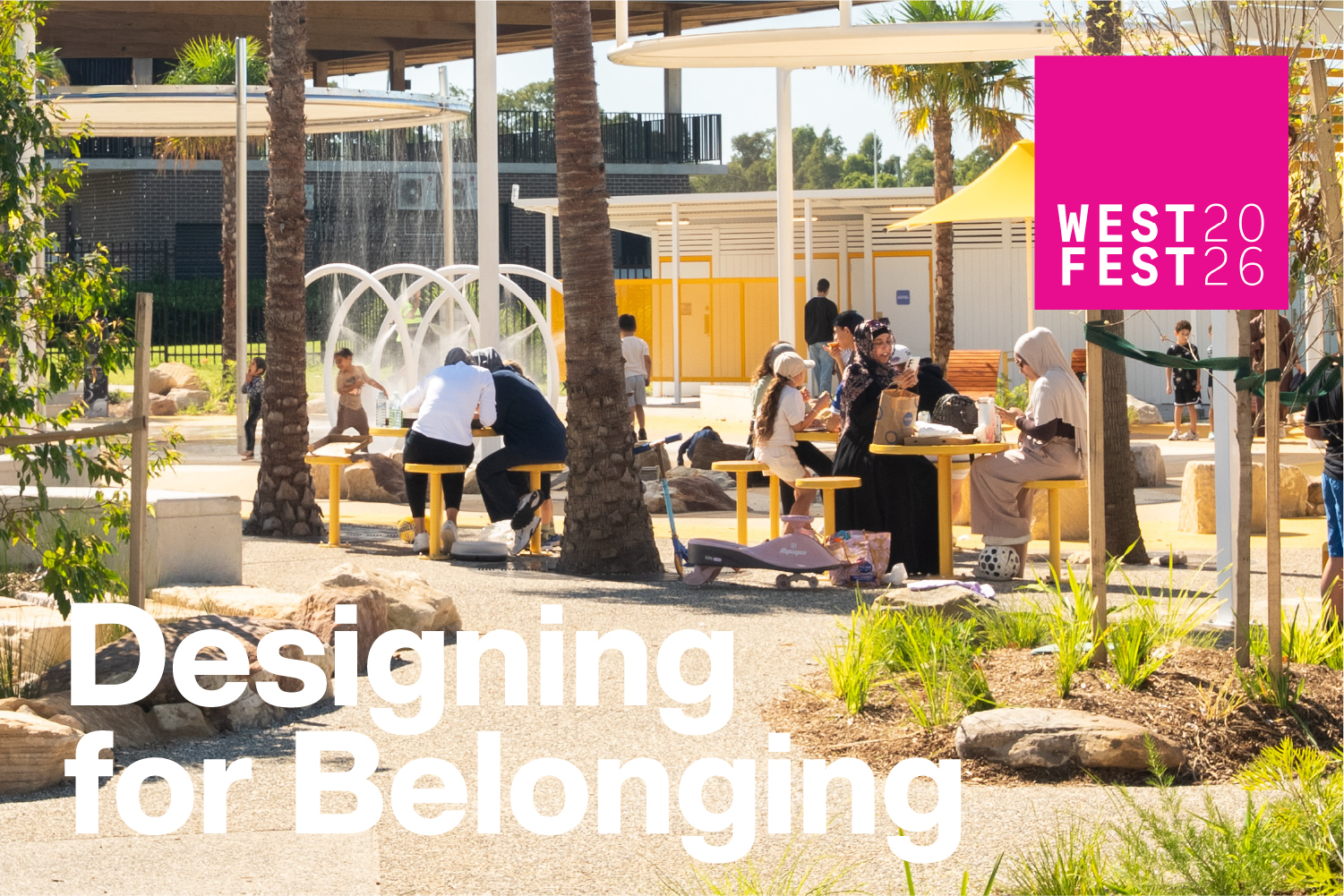
Join us for West Fest 2026: Designing in Belonging
A half-day knowledge exchange hearing from local built environment experts on fostering a sense of belonging in an increasingly dense, digital society.
Read more

Low carbon aluminium options are increasingly available according to Hassell’s Jeff Morgan
In a recent podcast for Architecture & Design, Hassell Principal Jeff Morgan, discusses the shift the aluminium industry is making towards lower carbon aluminium.
Beginning with a clear definition of low carbon aluminium, Jeff explains how aluminium producers, in Australia and elsewhere, have started to radically decarbonise.
Some headlines from the podcast…
– Aluminium is the ideal circular material. It is infinitely recyclable without degrading in quality.
– A common misconception is that recycled aluminium is lower quality than virgin aluminium.
– Low carbon aluminium should now be able to be procured for your project without hurting the bottom line. While 100% recycled aluminium can still be a challenge to find at present, low carbon options are increasingly available.
– Australian aluminium producers are not waiting for the grid to decarbonise, and are innovating ahead of energy producers.
– The lowest carbon products on the market today which are made from aluminium that is 100% recycled and produced using 100% renewables have a carbon intensity close to zero. While near-zero carbon aluminium is still difficult to find, it is likely to become the norm in the future.
Jeff Morgan chairs the Materials & Embodied Carbon Leaders’ Alliance (MECLA) Aluminium Working Group. Listen to the podcast at Talking, Architecture and Design.
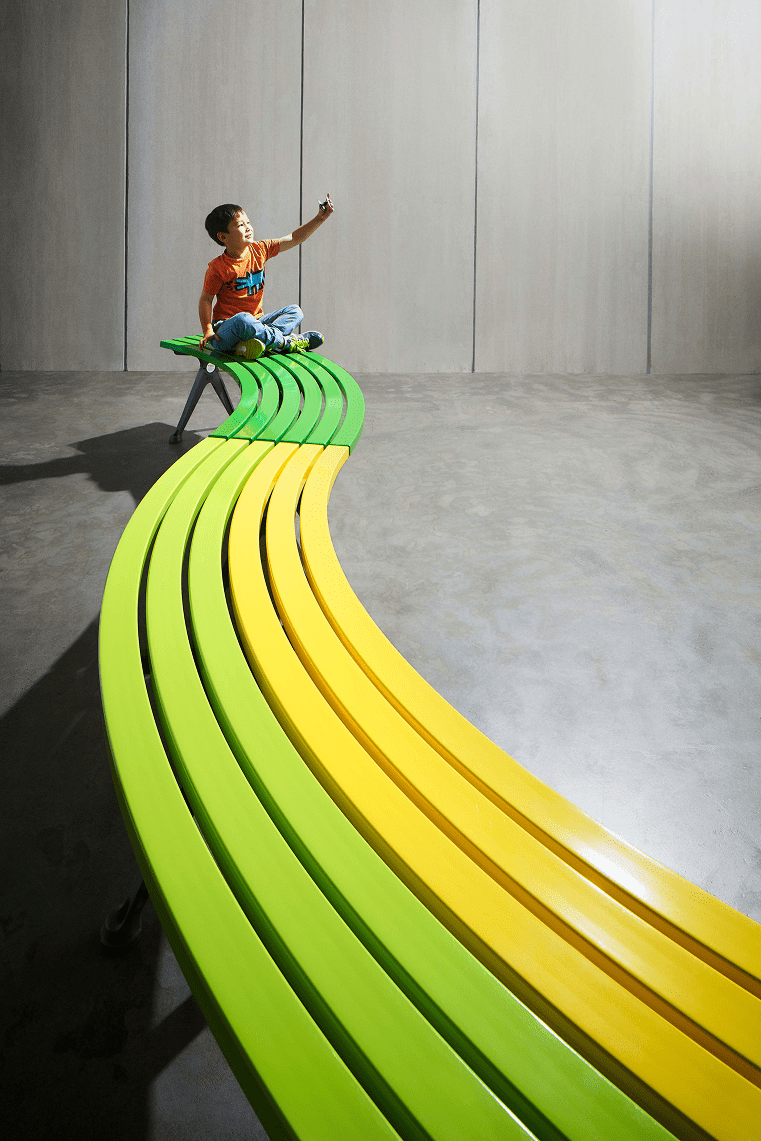
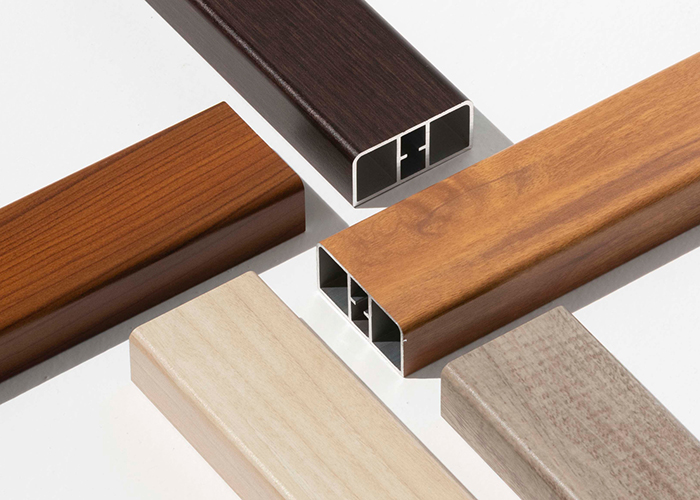
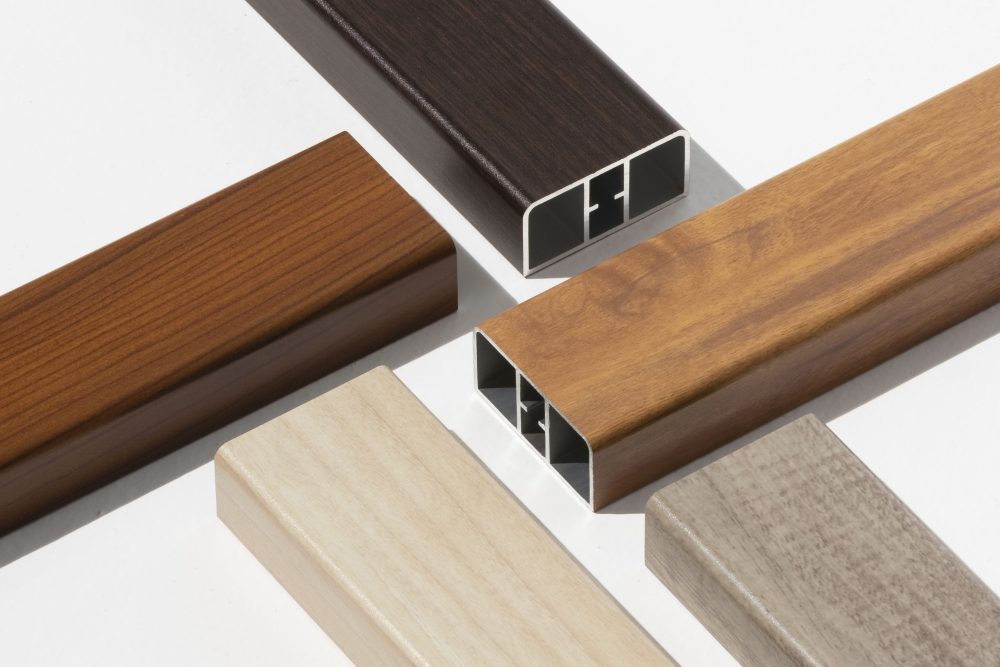
Street Furniture Australia’s aluminium batten extrusions use close to 100% low carbon aluminium content. Our entire product range is 100% carbon neutral, certified through Climate Active.
Kids’ sport always cancelled due to rain-soaked grounds?
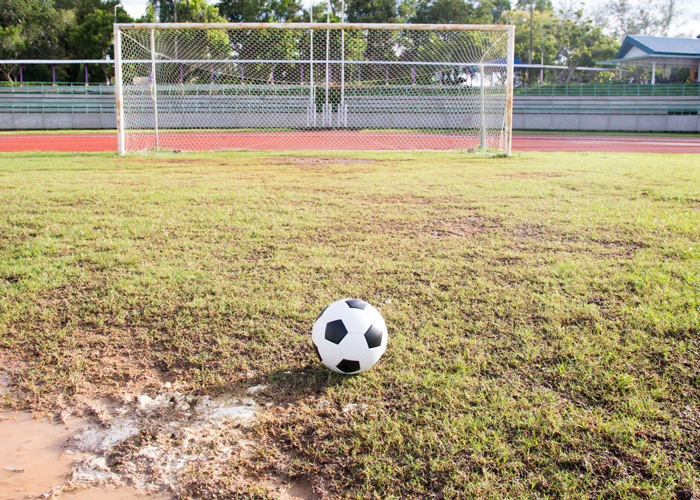
This winter many Australian families are frustrated with persistent rainfall and cancelled weekend sports due to sloshy flooded fields. Writing for The Conversation, Jua Cilliers considers the flooding of sports grounds as a valuable lesson on green spaces, and advocates for a design rethink.
Cilliers writes “The good news is a growing body of research offers insights into how we can address this problem through smarter urban design and green infrastructure.”
Sporting grounds form part of the green infrastructure networks that help regulate temperatures, reduce flooding, make urban spaces more sustainable, cut urban heat, reduce stress and lower noise pollution.
Cilliers states that “according to the World Economic Forum, less than 0.3% of current urban infrastructure spending goes to nature-based solutions.” While all solutions cost money, nature based infrastructure costs 50% less than built infrastructure.
Cilliers offers a range of solutions in the face of increased rainfall. “Create more soil-based or nature-based spaces that allow for rainwater to be absorbed into the earth well before it gets to the local sports grounds”, she said.
Sporting matches cancelled again? Read the full article at The Conversation.
-
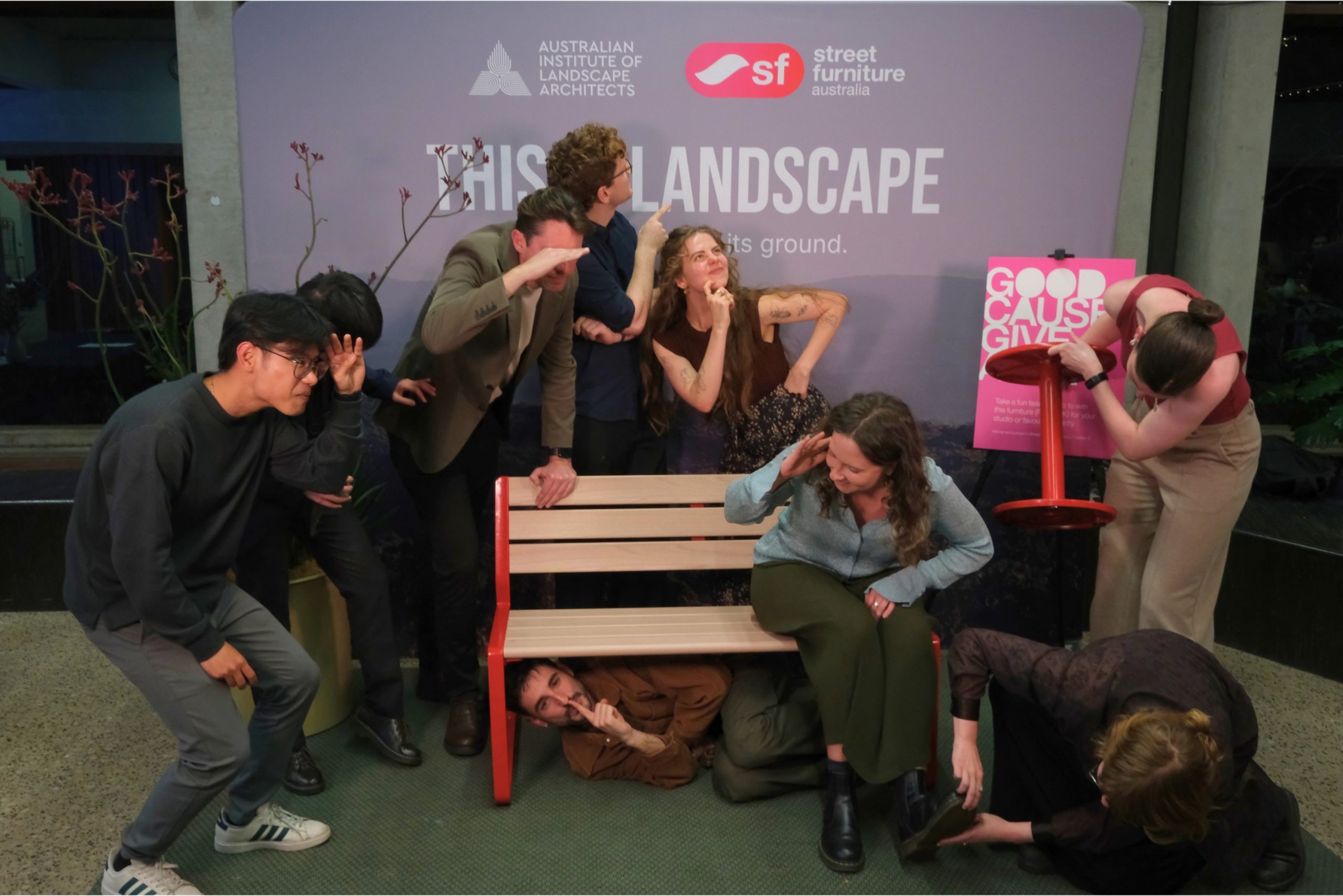
2026 AILA Awards: Good Cause Giveaway
See highlights of all the outstanding creative photos from the 2026 AILA Awards Good Cause Giveaway, and discover which studio team won over 3k worth of furniture for... Read More
-
Join us for West Fest 2026: Designing in Belonging
A half-day knowledge exchange hearing from local built environment experts on fostering a sense of belonging in an increasingly dense, digital society. Read More
-
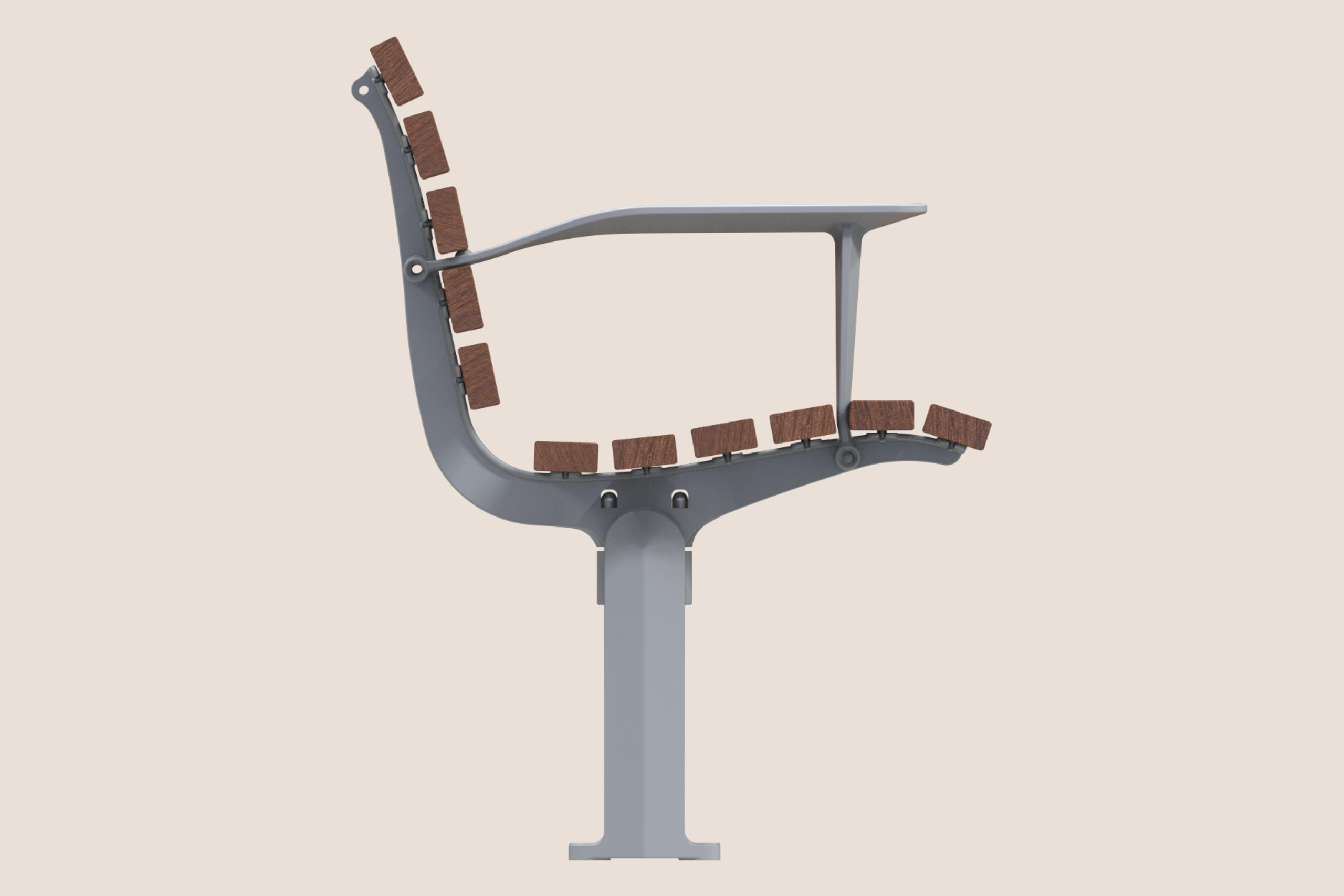
Introducing the new Pillar Leg
Street Furniture Australia’s new Pillar Leg is slimmer but sturdier. Discover what goes into a furniture leg, from fixing and accessibility to design. Read More
-
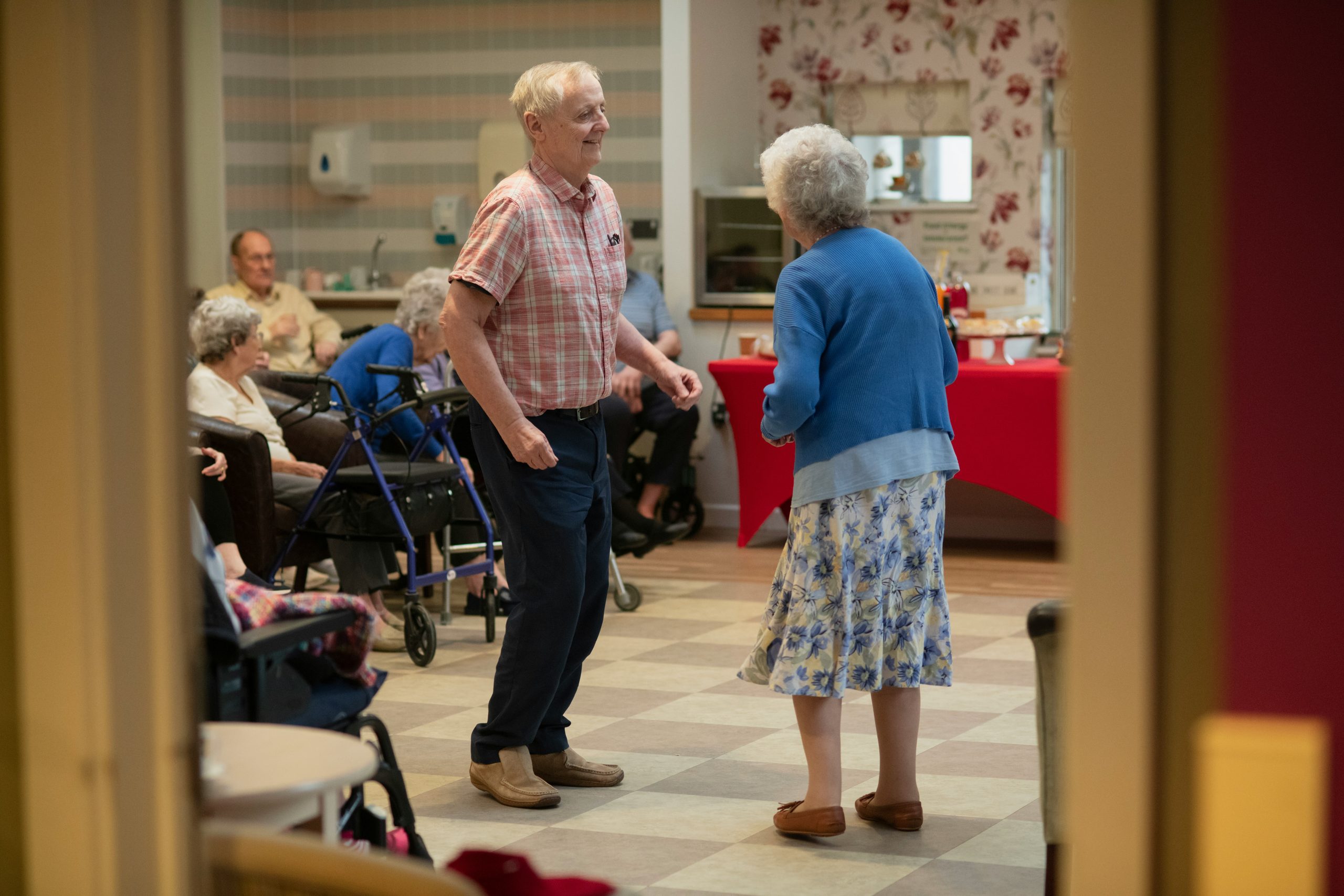
14th Street Y: From active space to community
How did a quiet gym lobby bring together 420+ locals? Learn how 14th Street Y uses social infrastructure and cheap coffee to build community. Read More
-
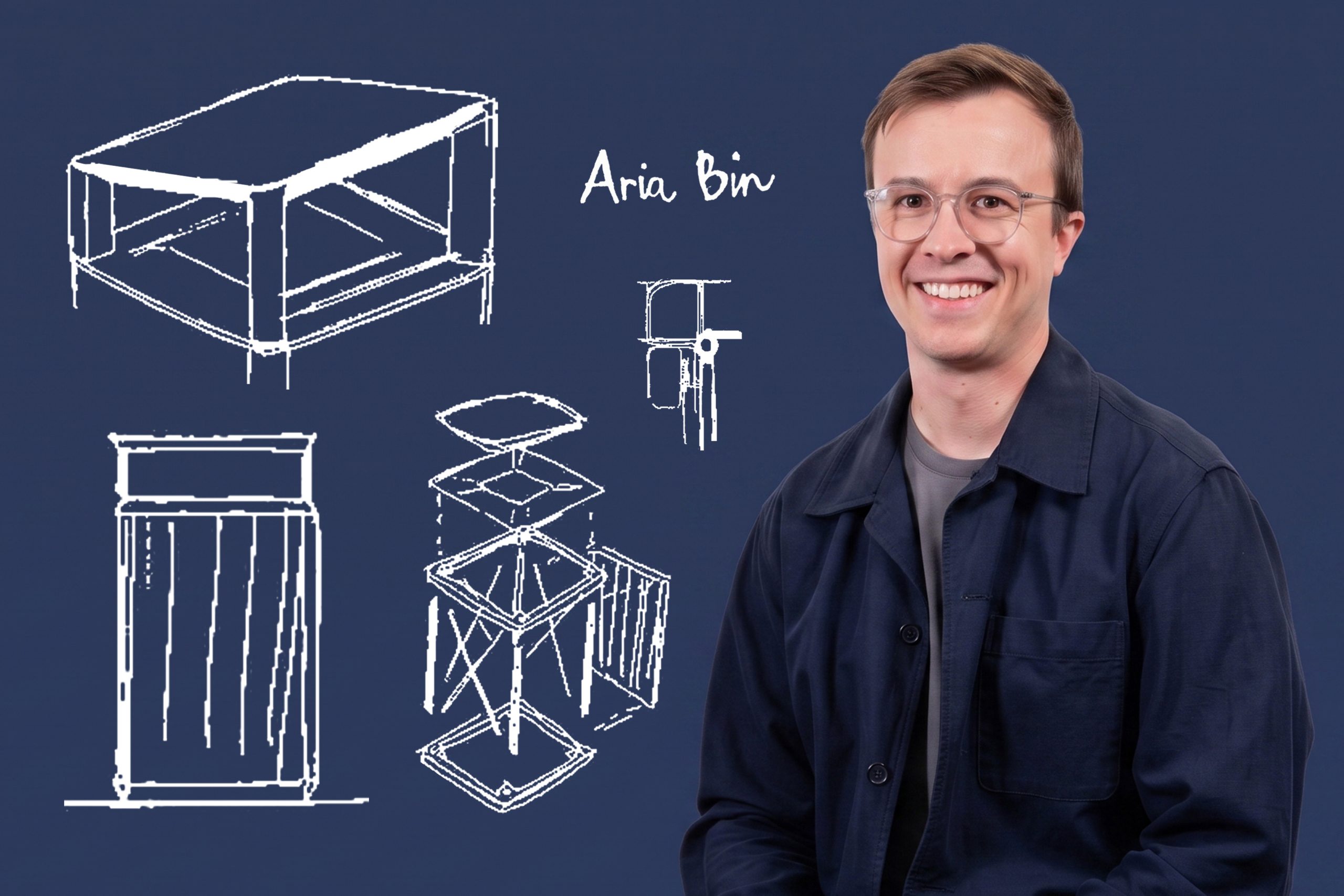
The design story behind Aria Bin
By Francis McArdle, Lead Designer of Aria Bin. There may be no piece of public infrastructure more overused and underappreciated than the humble bin. A basic necessity in... Read More
-
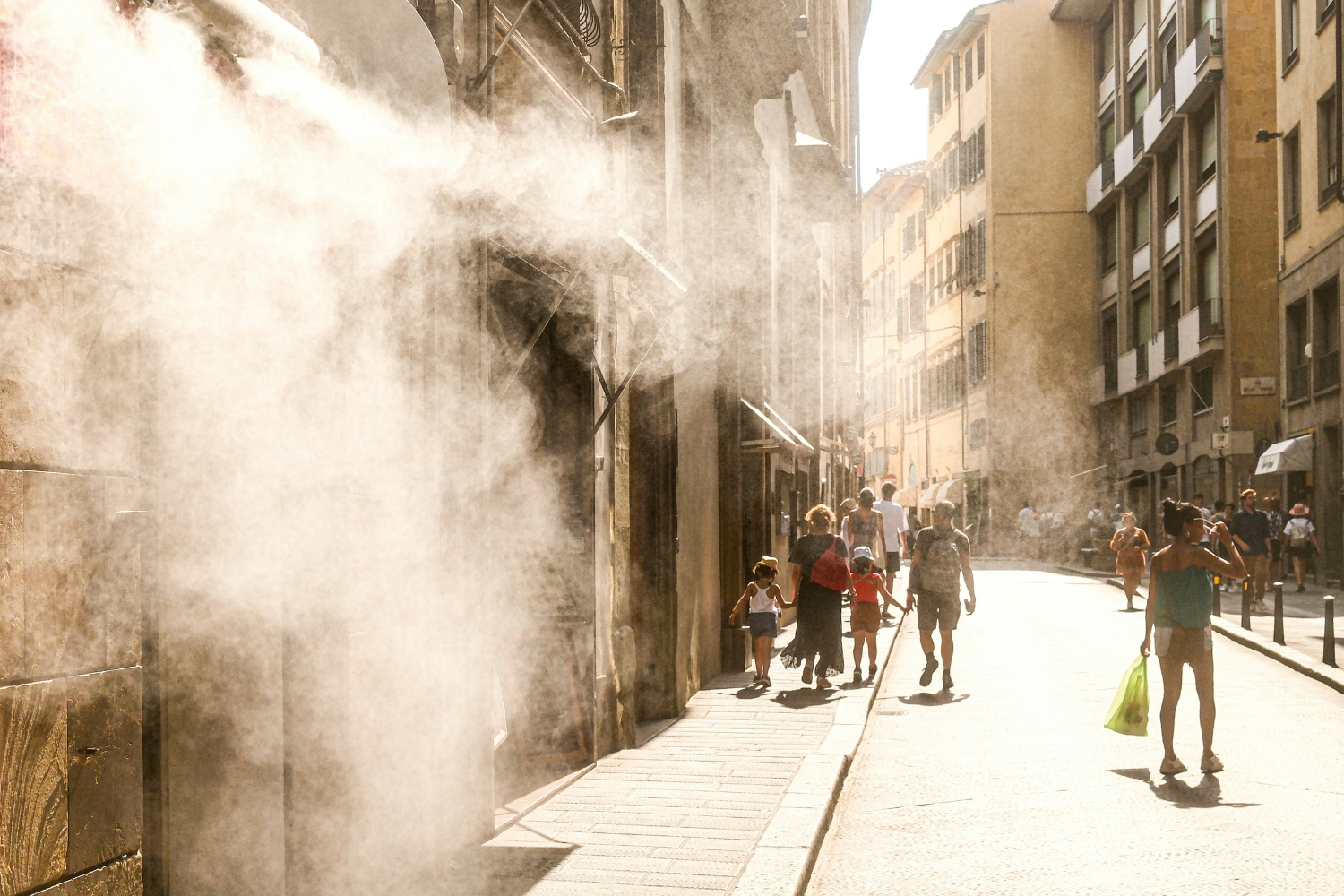
Should heat be regulated?
What if cities regulated heat like fire and flooding? ASLA explores how thermal performance could become a standard part of urban design. Read More