Dutch Study: The Gap Between Perceived and Actual Neighbourhood Facilities
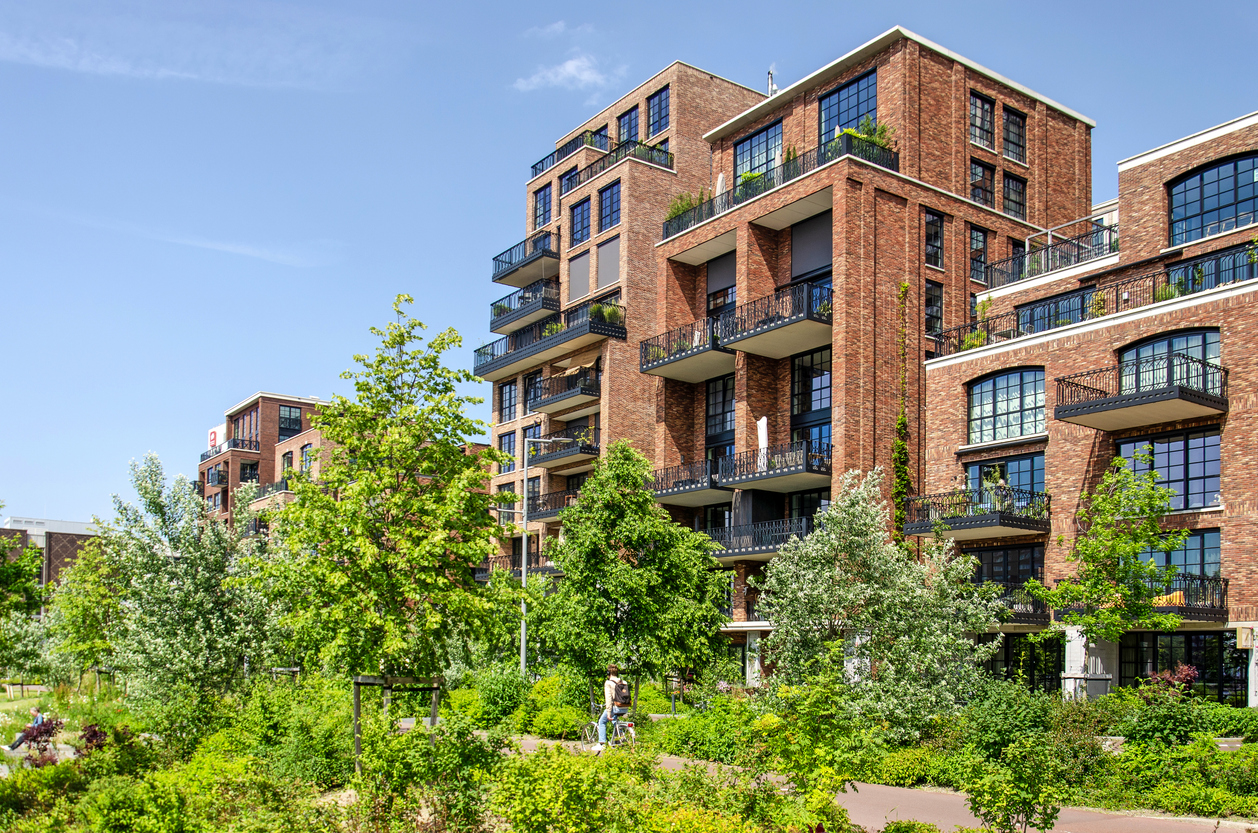
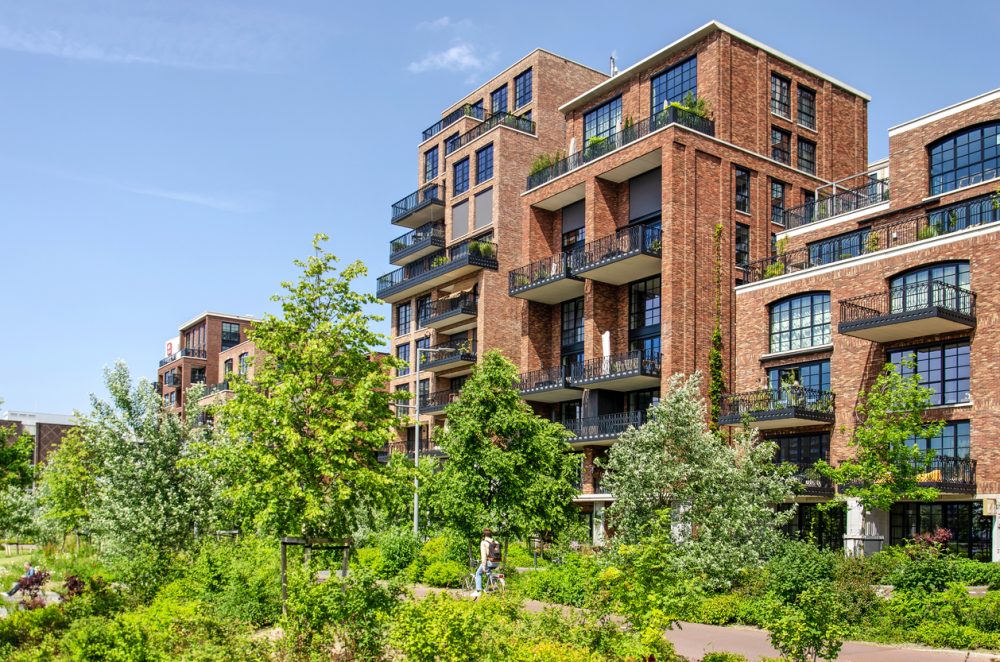
Rotterdam, The Netherlands, June 6, 2024: new Little C residential neighbourhood with equally new Tuschinski Park in the foreground
Upcoming Events
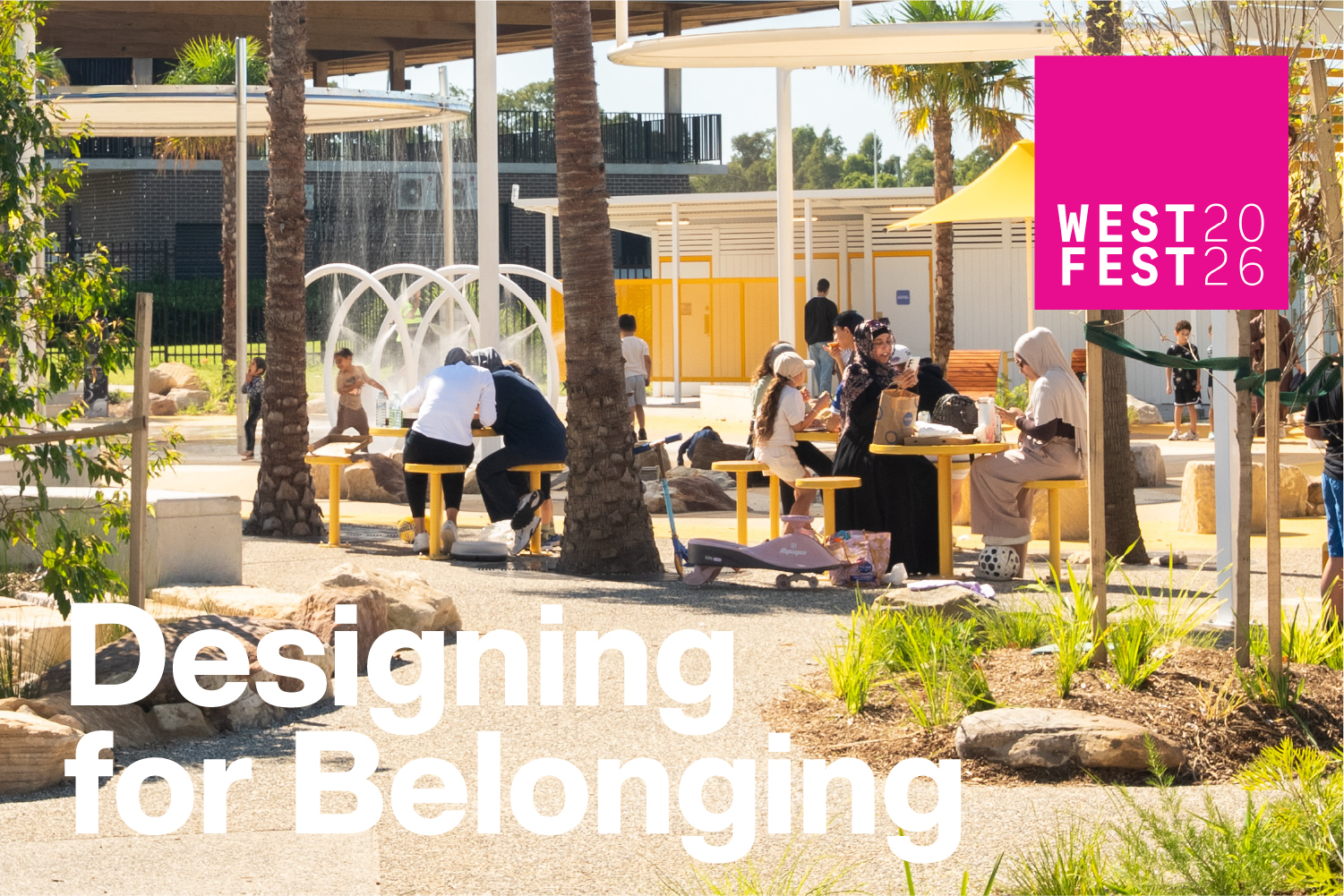
Join us for West Fest 2026: Designing in Belonging
A half-day knowledge exchange hearing from local built environment experts on fostering a sense of belonging in an increasingly dense, digital society.
Read more

A recent Dutch study has found that cities are not just physical landscapes, but ‘perceived environments’ shaped by experience, stress and social context.
The City as a Natural Laboratory
The study, based in Rotterdam, included 13,918 residents across 71 neighbourhoods, the second-largest city in the Netherlands.
Participants were asked if they had facilities such as parks and green spaces in their neighbourhoods, with surprisingly large differences in answers for the same area.
Perception vs Reality
Residents experiencing economic hardship were more likely to perceive green spaces as less available, regardless of their actual presence. Older individuals and people with children in their household tended to report higher perceived availability.
Neighbourhood satisfaction was another important factor. Residents who felt happier with their neighbourhood were more likely to believe green spaces were available.
Interesting findings
Perhaps the most striking finding was the difference between perceived and objective environments when it came to health. Simply living in a greener area and believing that greenery is accessible appeared to be beneficial for psychological wellbeing. Also an overlooked park may not contribute to healthier lifestyles, even if it exists right around the corner.
Read more about the study at Taylor and Francis Online.
Photo: franswillemblok on iStock.
-
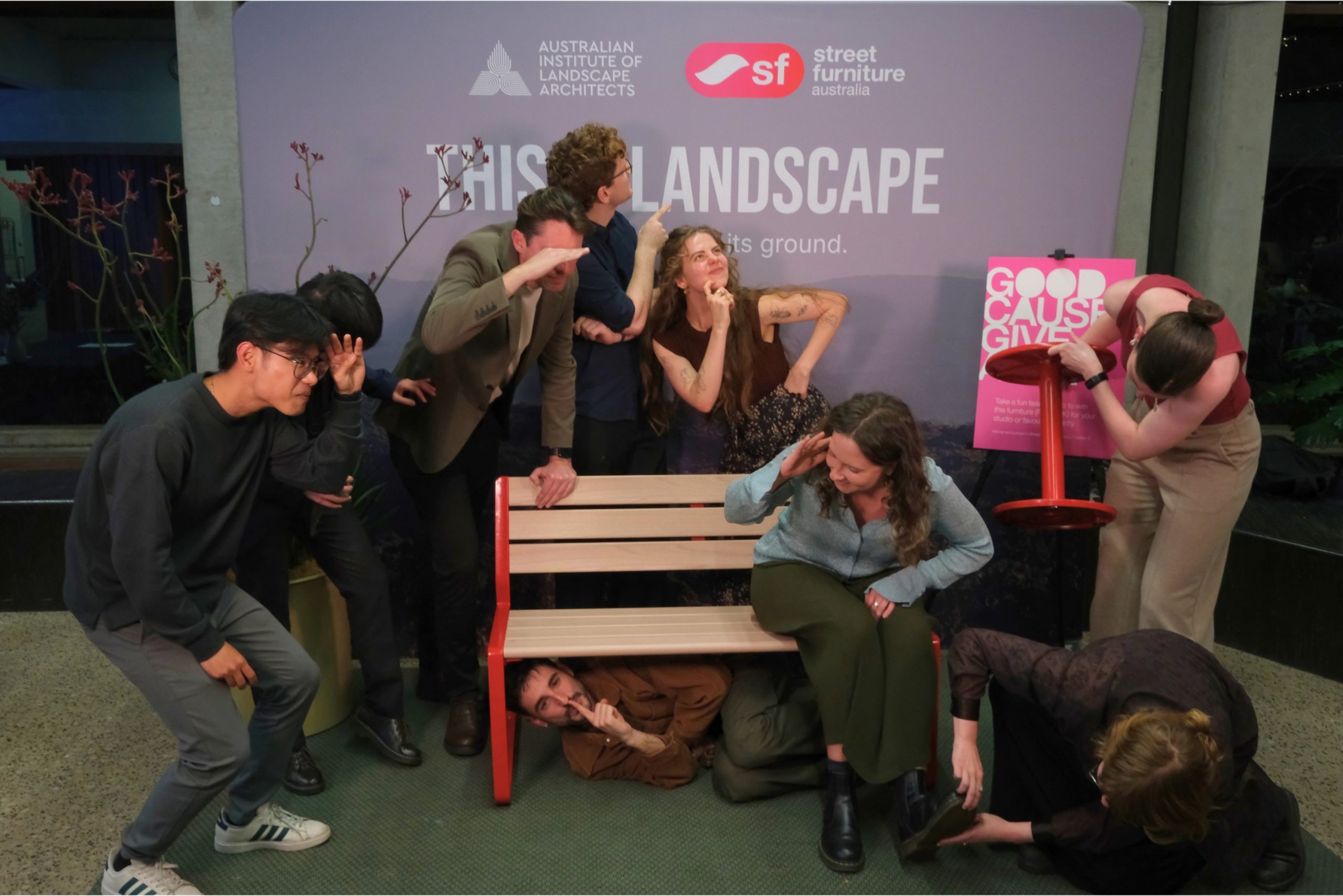
2026 AILA Awards: Good Cause Giveaway
See highlights of all the outstanding creative photos from the 2026 AILA Awards Good Cause Giveaway, and discover which studio team won over 3k worth of furniture for... Read More
-
Join us for West Fest 2026: Designing in Belonging
A half-day knowledge exchange hearing from local built environment experts on fostering a sense of belonging in an increasingly dense, digital society. Read More
-
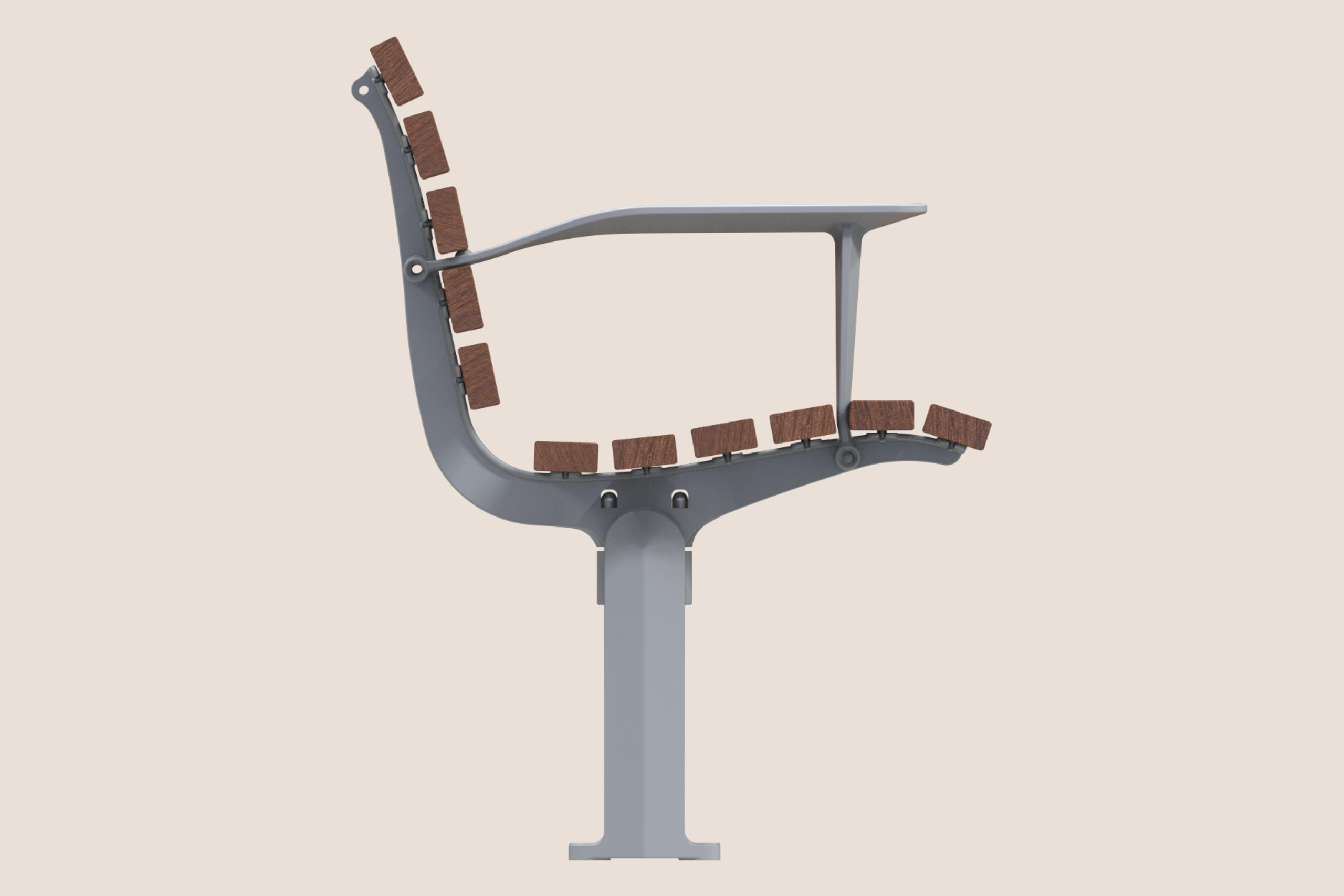
Introducing the new Pillar Leg
Street Furniture Australia’s new Pillar Leg is slimmer but sturdier. Discover what goes into a furniture leg, from fixing and accessibility to design. Read More
-
14th Street Y: From active space to community
How did a quiet gym lobby bring together 420+ locals? Learn how 14th Street Y uses social infrastructure and cheap coffee to build community. Read More
-
The design story behind Aria Bin
By Francis McArdle, Lead Designer of Aria Bin. There may be no piece of public infrastructure more overused and underappreciated than the humble bin. A basic necessity in... Read More
-
Should heat be regulated?
What if cities regulated heat like fire and flooding? ASLA explores how thermal performance could become a standard part of urban design. Read More