Trend Watch March 2022
Upcoming Events
Join us for West Fest 2026: Designing for Belonging
A half-day knowledge exchange hearing from local built environment experts on fostering a sense of belonging in an increasingly dense, digital society.
Read more

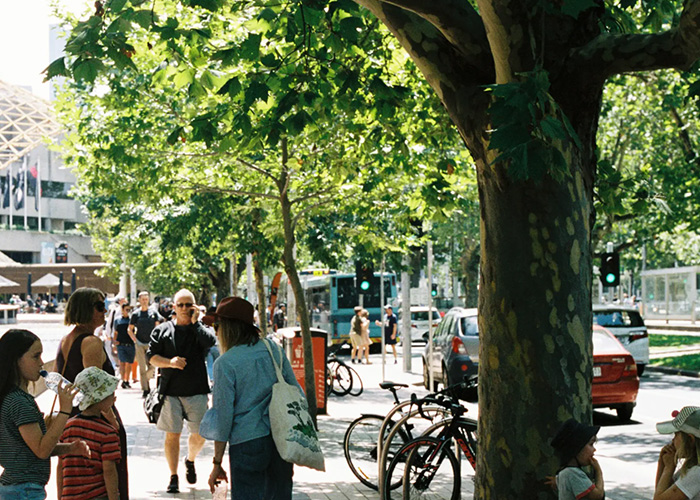
Street trees and addressing liveability inequity:
Street trees have the capacity to impact the liveability of suburbs, should community members be included in the design and planning of urban greening, say Melanie Davern, Dave Kendal and Camilo Ordonez Barona in an article for Cities People Love.
The RMIT, University of Tasmania and University of Toronto researchers write that “street trees and urban forestry provide a great example of a ‘nature-based solution’ to building environmentally sustainable liveable cities that provide multiple benefits.”
Although the benefits of urban greening are well known, there is inequity in the distribution of street trees. “Disadvantaged communities in cities characterised by a lower level of income and education, and, in some cases, higher percentages of minority populations, tend to have less street tree cover and less street tree diversity.”
However, “planting street trees in treeless areas rather than in already leafy suburbs has a greater effect on reducing extreme heat, increasing biodiversity, and reducing health inequalities.”
Diverse perspectives are essential to make design and planning most effective for the community, yet disadvantaged communities are rarely incorporated into discussions around urban greenery, they write.
“Carefully targeted engagement with culturally diverse communities, students, renters and Indigenous communities is needed to overcome the ‘procedural inequity’ found in the standard business-as-usual community engagement approaches.”
“In our research, we’ve found that practitioners who make decisions about these matters value community views, such as people’s sense of stewardship of their street trees and urban forests, however, it can be difficult to combine these views with cross departmental planning in organisations that are fearful of risk.”
Read the full story in Cities People Love.
Photo: Oak Park.
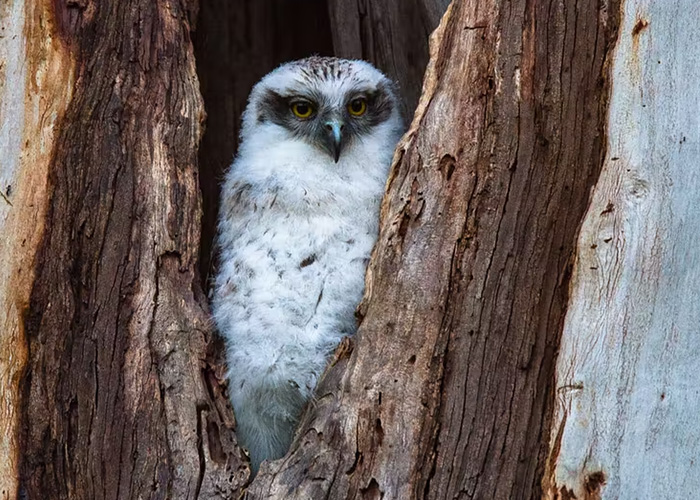
The secret lives of urban birds:
“In Australia, there are currently 182 threatened bird species. Loss of habitat is absolutely the biggest threat to bird species survival.”
In ABC’s Catalyst: The Secret Lives of Our Urban Birds, Dr Ann Jones explores how urban planning and local interventions can help bird species that are suffering from loss of habitat caused by human development.
Powerful owls, for example, a threatened species, rely on the hollows of old growth trees to nest, which can take 300 years to develop. A study at Melbourne University is using augmented reality and 3D printing to create replica nesting boxes. Sensors will gather data around who is using the nesting boxes and how.
“In the future,” says Jones, “3D printing could allow ecologists to order custom nests, creating much-needed homes for their local powerful owls.”
Some species have been more successful in adapting to city life – peregrine falcons use the architecture of city high-rise buildings like cliff faces, to lay their eggs and raise young. These nest sites require adequate space and the leniency of human custodians, such as the Mirvac team at 367 Collins Street, which livestreams their nest site each season.
Pockets of recovered nature can offer refuge to birds, such as a former golf course in Elsternwick, which has been transformed into a haven for native birds with wetlands, woodlands and shrubbery. “Small changes,” says Jones, “like installing nesting boxes for eastern rosellas, are already having a big impact.”
The Western Treatment Plant in Werribee on the lands of the Wuthaurung people, where about half of Melbourne’s sewerage collects, is also a surprising sanctuary for birds from around the world.
The sewerage farm is “full of insect attracting nutrients and year round water, creating a very special bird habitat.”
Up to 10,000 shore birds migrate to the wetlands every year, says Sean Dooley, a record-holding bird watcher, and as such it is now internationally recognised and protected.
The plants we select to populate our urban gardens and spaces become the host and home of biodiversity. Choosing plants therefore is also about birds. Urban researchers, says Jones, are working out how best we can support wildlife within our cities.
Watch the ABC special.
Photo: Nick Bradsworth, Melbourne University researcher.
-
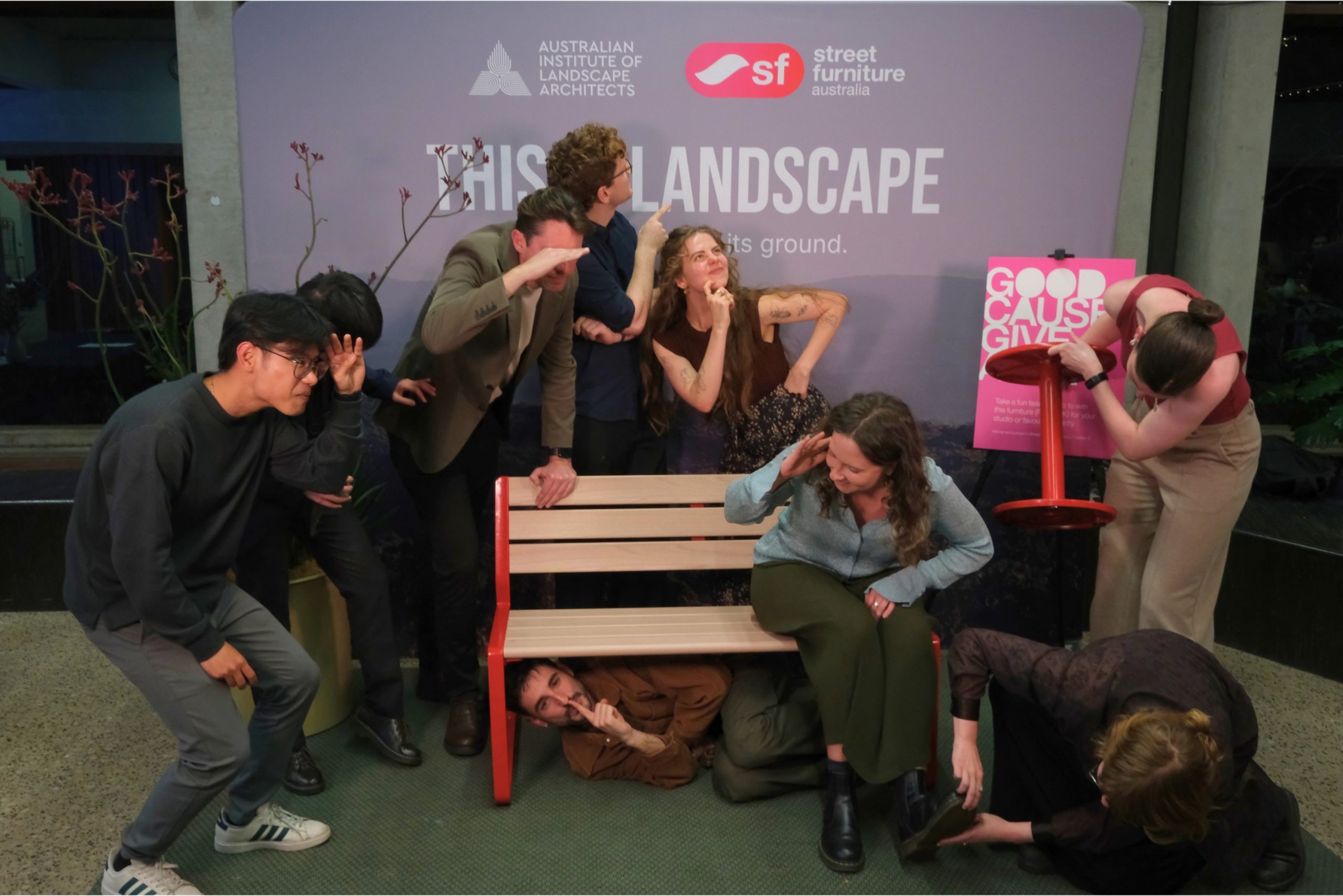
2026 AILA Awards: Good Cause Giveaway
See highlights of all the outstanding creative photos from the 2026 AILA Awards Good Cause Giveaway, and discover which studio team won over 3k worth of furniture for... Read More
-
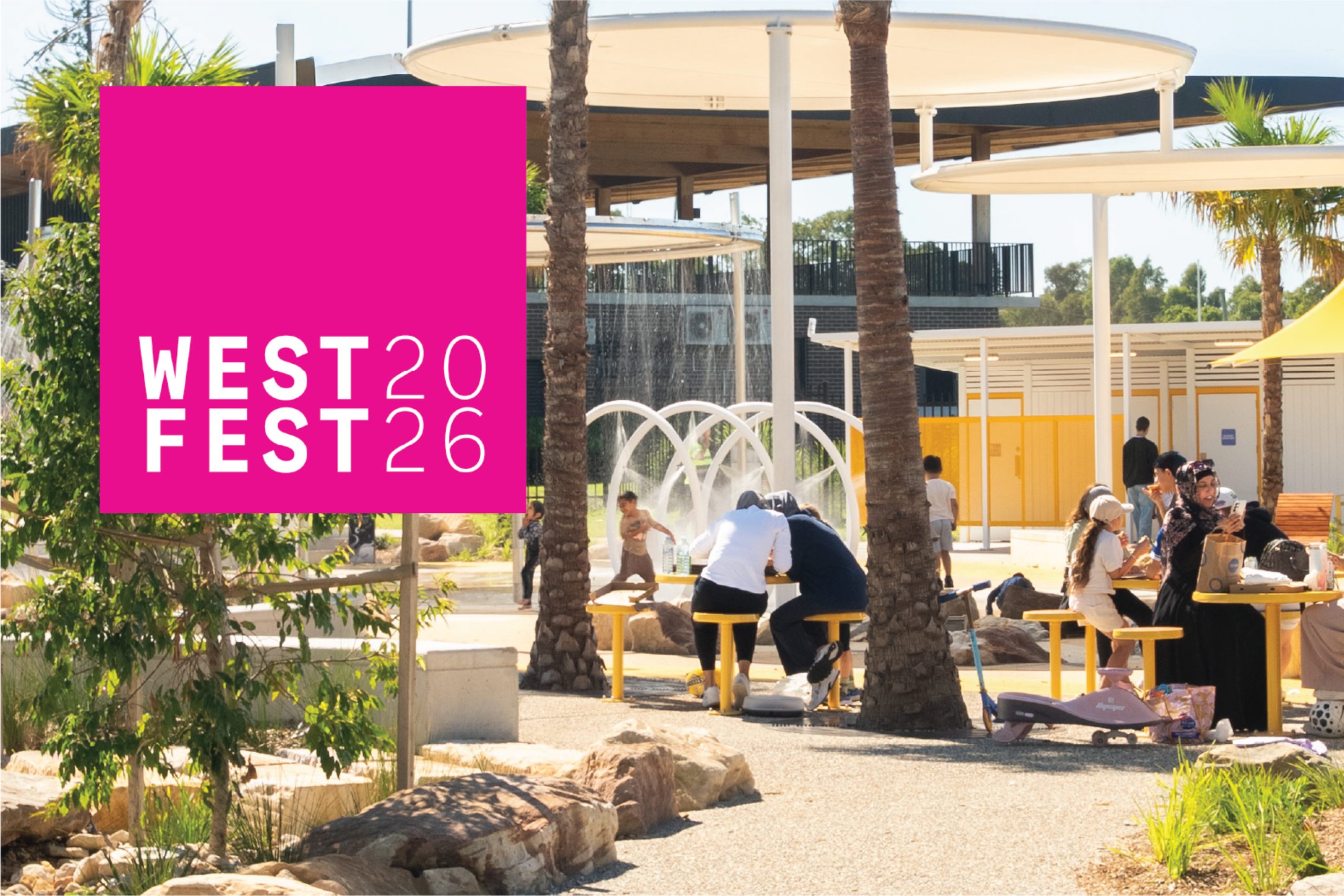
Join us for West Fest 2026: Designing for Belonging
A half-day knowledge exchange hearing from local built environment experts on fostering a sense of belonging in an increasingly dense, digital society. Read More
-
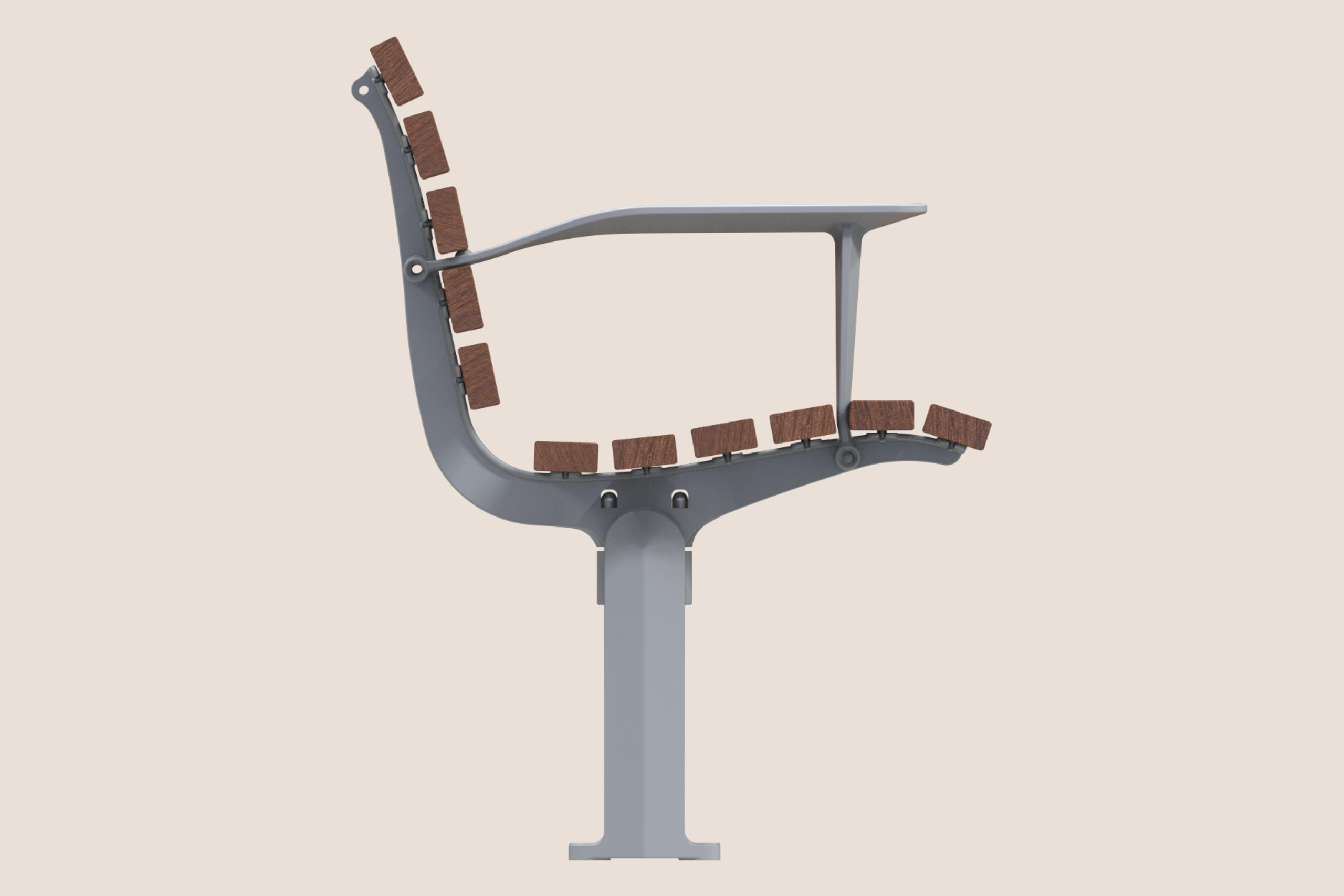
Introducing the new Pillar Leg
Street Furniture Australia’s new Pillar Leg is slimmer but sturdier. Discover what goes into a furniture leg, from fixing and accessibility to design. Read More
-
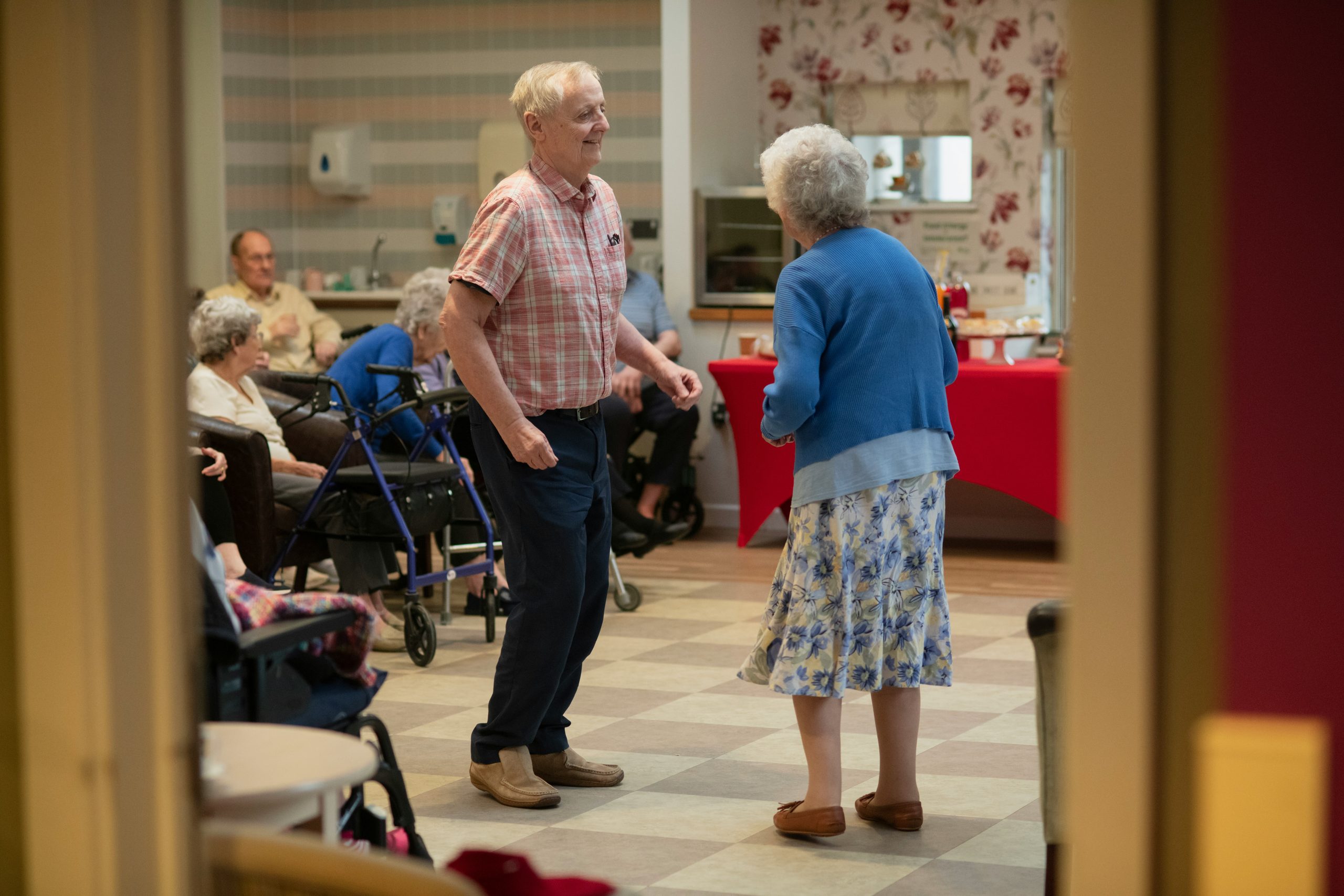
14th Street Y: From active space to community
How did a quiet gym lobby bring together 420+ locals? Learn how 14th Street Y uses social infrastructure and cheap coffee to build community. Read More
-
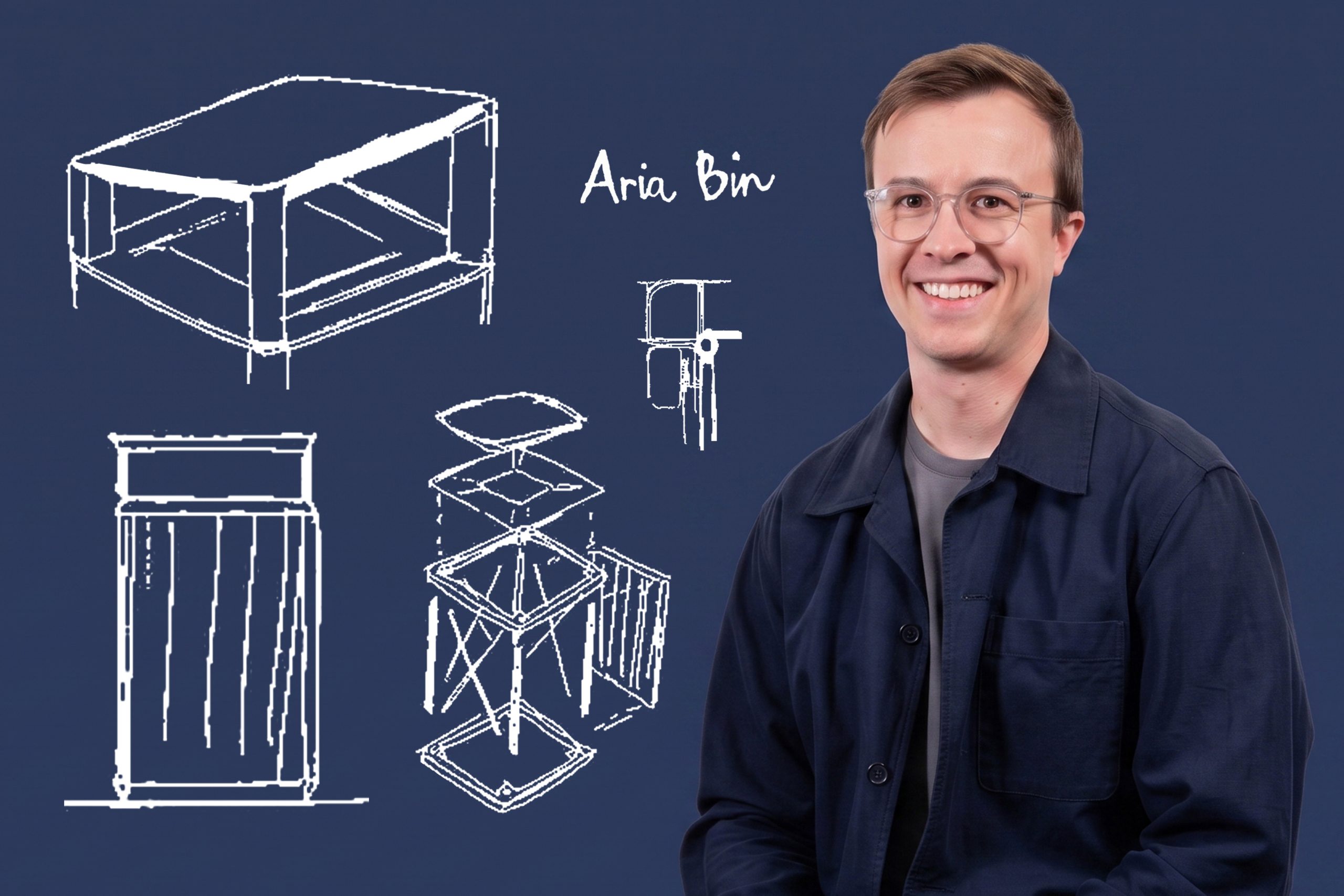
The design story behind Aria Bin
By Francis McArdle, Lead Designer of Aria Bin. There may be no piece of public infrastructure more overused and underappreciated than the humble bin. A basic necessity in... Read More
-
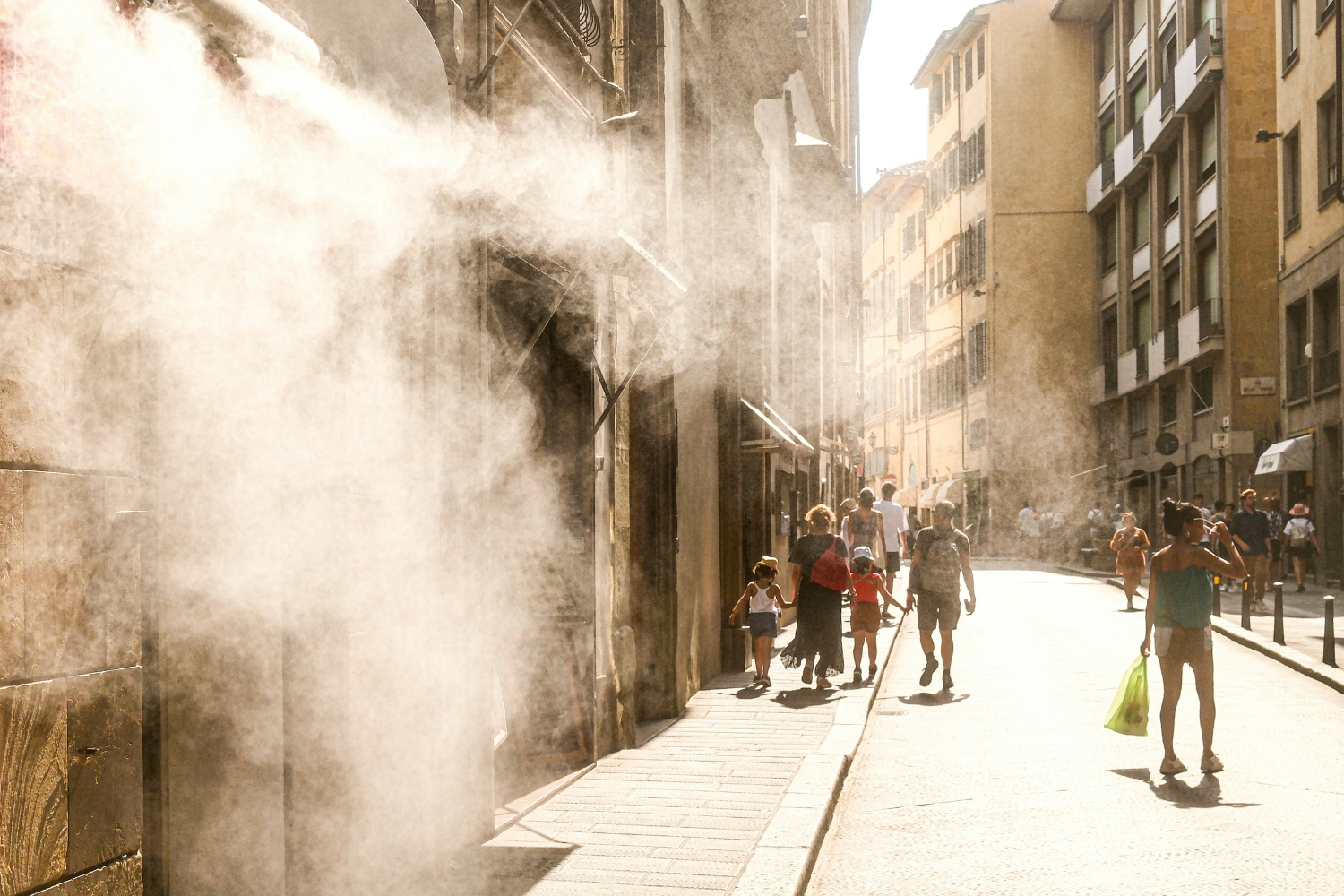
Should heat be regulated?
What if cities regulated heat like fire and flooding? ASLA explores how thermal performance could become a standard part of urban design. Read More