Trend Watch February 2022
Upcoming Events
Join us for West Fest 2026: Designing for Belonging
A half-day knowledge exchange hearing from local built environment experts on fostering a sense of belonging in an increasingly dense, digital society.
Read more

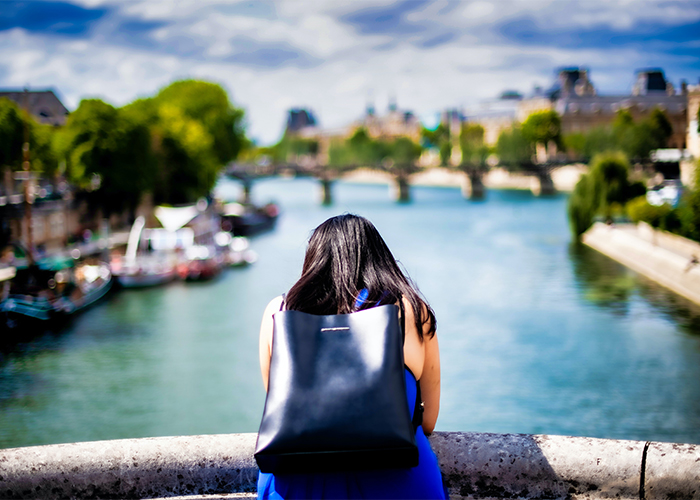
Paris has plans to make the Seine swimmable by 2024:
by Feargus O’Sullivan
The City of Paris is undertaking a new project, ‘Projet Life Adsorb,’ which may soon make Paris’s river Seine clean enough to swim in. Various attempts have been made to make the Seine swimmable, the first in 1988. Most recently, in 2017, swimming pools opened along Canal Saint Martin, a more sheltered waterway in the city’s east. Unfortunately high bacteria levels regularly force swimmers out of the pools.
The new plan, which is being designed and implemented by a team of experts overseen by the City of Paris, “might be able to curb pollution more permanently, making it swimmable – and usable as a competition venue – in time for the 2024 Summer Olympics,” writes Bloomberg’s Feargus O’Sullivan.
“The city’s 19th century sewer system mixes sewage with rainwater, and during heavy downpours can be overwhelmed by the volume of liquid it needs to channel.” Such occasions, they write, result in “over 2 million cubic metres of sewage contaminated water” finding its way into the river.
The new project features a stormwater tank to store around 46,000 cubic metres of water, enough to fill an Olympic swimming pool 30 times over, and alleviate the drain overflow that causes sewage to spill into the river. The tank will be installed near Gare d’Austerlitz, beneath a public garden on the city’s left bank, and connect to underground sewers. The topsoil above will be spacious enough for trees to grow in.
Even this ambitious tank will not be infallible— “the city estimates that 100,000 cubic metres of waste water will enter the river annually,” so there is still the potential for the tank to prove inadequate. Despite this, the project continues to build on past improvements – and no effort to decrease pollution has been fruitless. Pollution levels in the Seine are now far lower than in the nineties, and “the number of fish species has increased markedly,” reports O’Sullivan.
Read the full story at Bloomberg.
Image: Photo by Clement Souchet on Unsplash
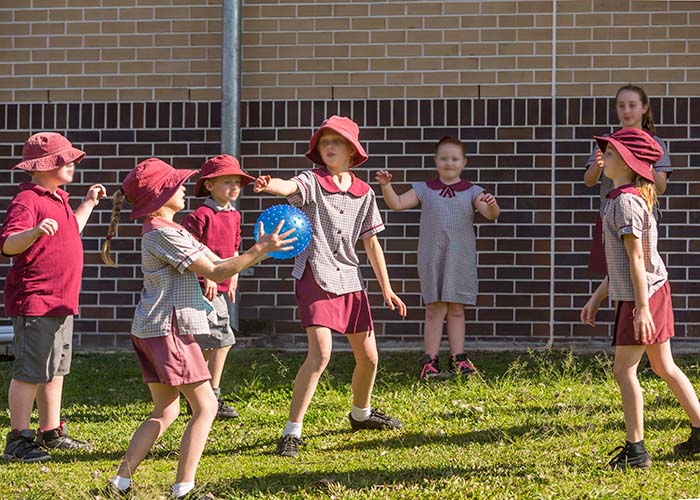
Recess is a time of conflict for children. Here are 6 school design tips to keep the peace:
By Fatemeh Aminpour
“Students experience an average of one conflict at recess every three minutes,” writes Fatemeh Aminpour on The Conversation.
Aminpour conducted research at three public primary schools in Sydney, Australia — her findings reveal how design can be used to reduce conflict and encourage inclusive play. “My study explored children’s views on the activities that usually triggered conflict and the ways in which school grounds could be designed to avoid it,” says Aminpour.
Since schools tend to have a “No Running Fast On Concrete” rule, Aminpour suggests offering more grassed areas to diffuse conflicts that often arise from multiple groups of children playing separate activities in the same space.
She says that zoning spaces according to activity type, incorporating physical barriers and allowing buffer space between play areas will reduce conflict between groups.
These interventions would prevent, for example, a situation where “children running around fast or playing with balls are seen as ‘disruptive’ to those sitting or playing with cards, and vice versa … the space is no longer felt as a ‘very relaxing place,’ children who seek ‘peace’ and ‘quiet’ have to withdraw.”
Aminpour points out that offering more natural settings also reduces conflict. She says, “Children of diverse personal characteristics — including gender, age and ability — use natural settings without conflict … they hide behind tree trunks … practice balancing on their massive roots, and use their malleable resources in their creative play.”
Aminpour’s research reveals that ensuring that play areas are plentiful, organised and engaging minimises conflict. In turn, the school yard can be inclusive and supportive of all children, and help positive social interactions and relationships to develop.
Read the story in the The Conversation.
Image: davidf, iStock.
-
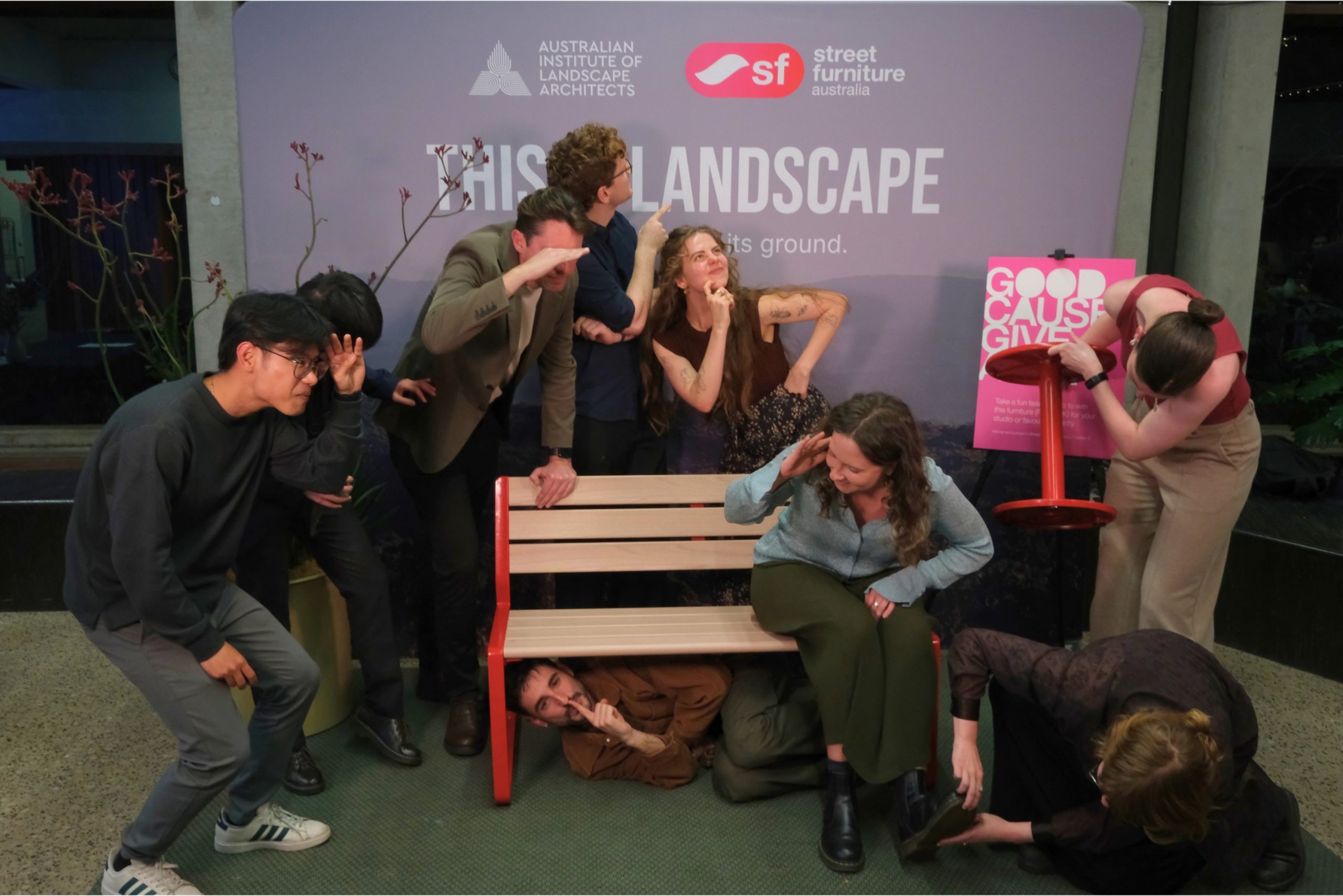
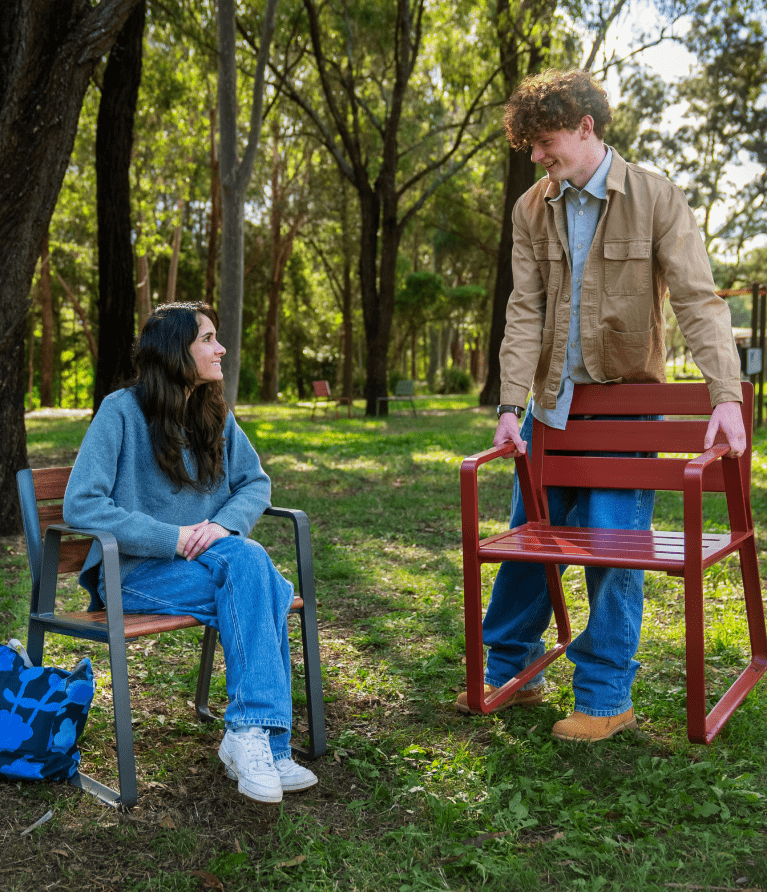
2026 AILA Awards: Good Cause Giveaway
See highlights of all the outstanding creative photos from the 2026 AILA Awards Good Cause Giveaway, and discover which studio team won over 3k worth of furniture for... Read More
-
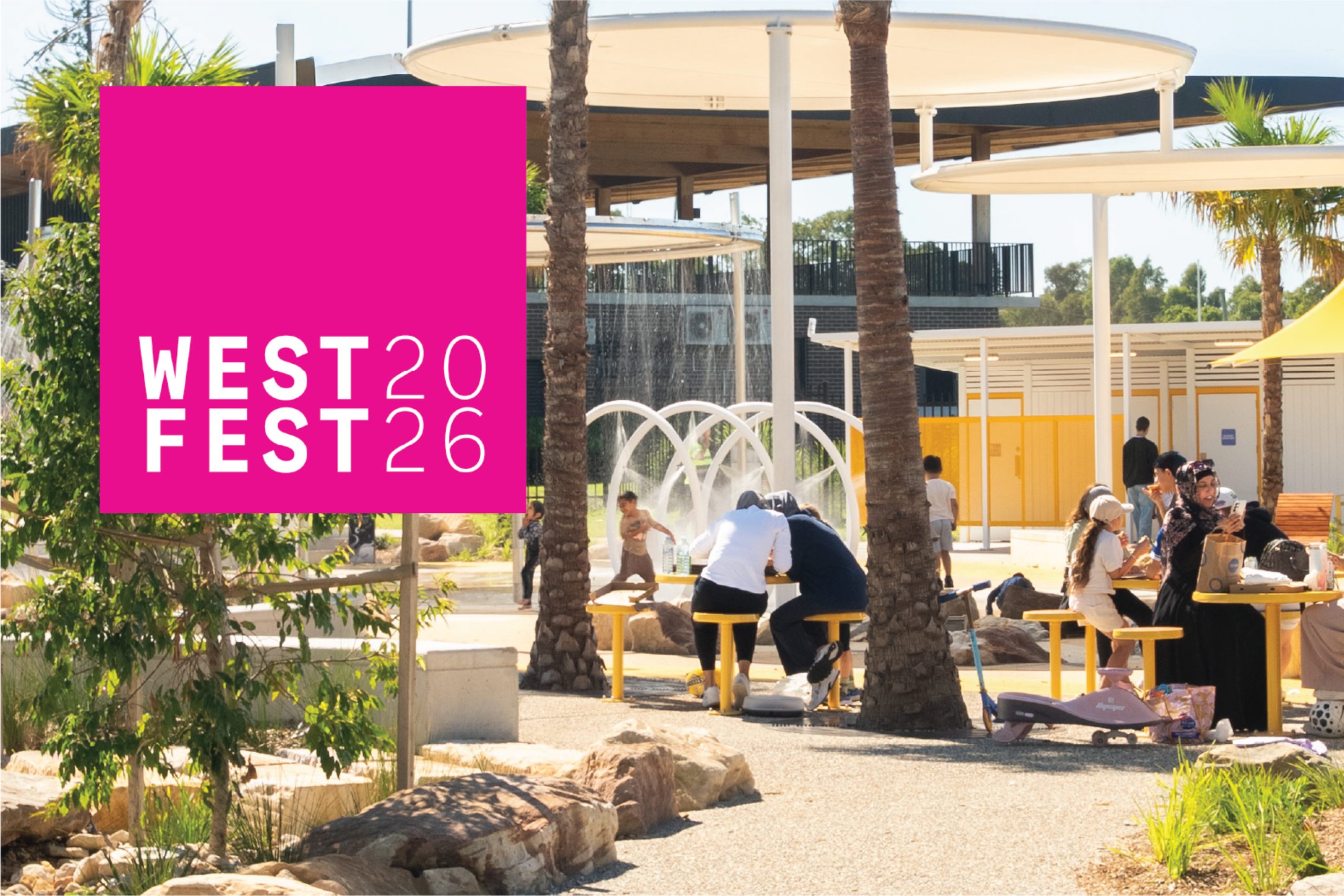
Join us for West Fest 2026: Designing for Belonging
A half-day knowledge exchange hearing from local built environment experts on fostering a sense of belonging in an increasingly dense, digital society. Read More
-
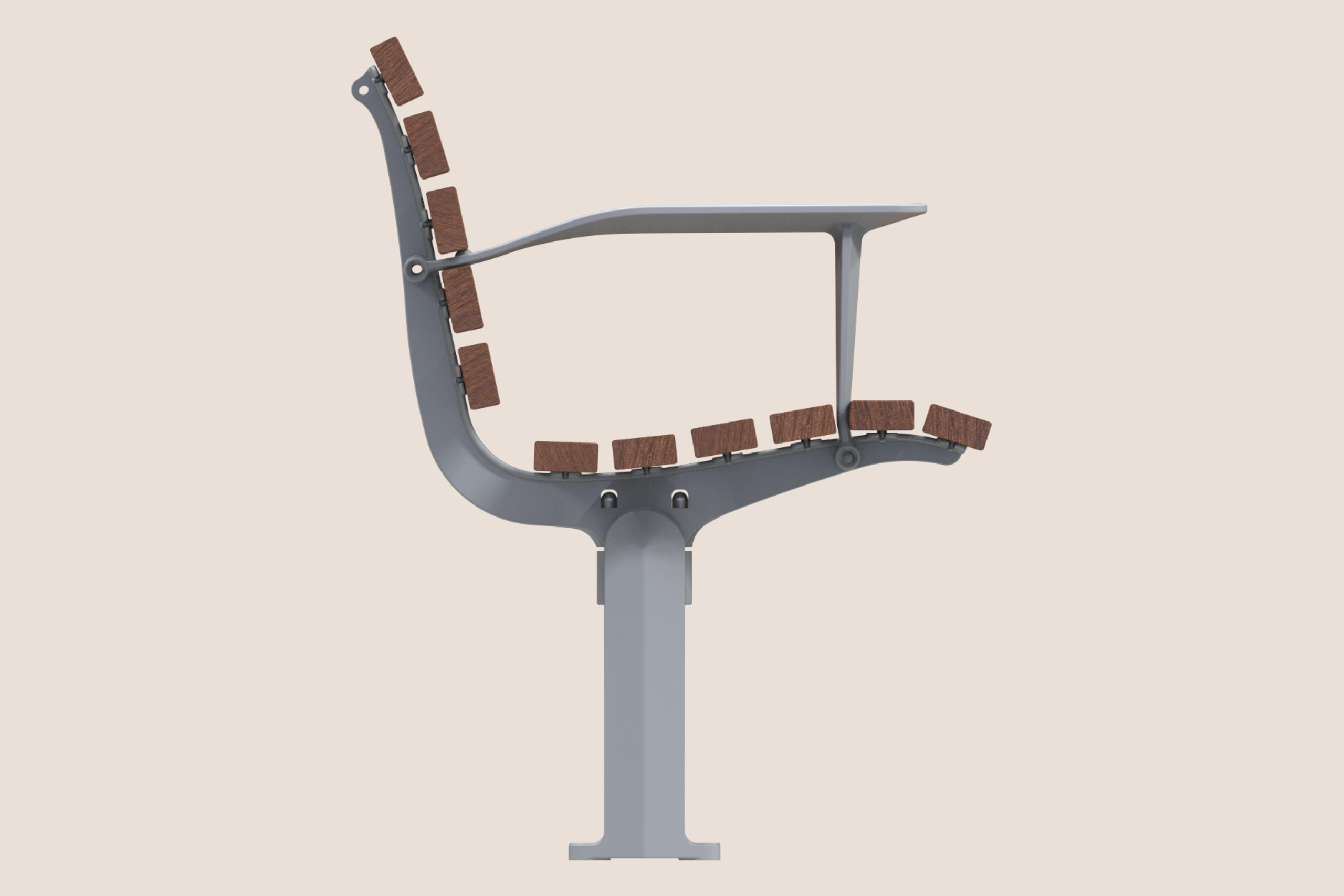
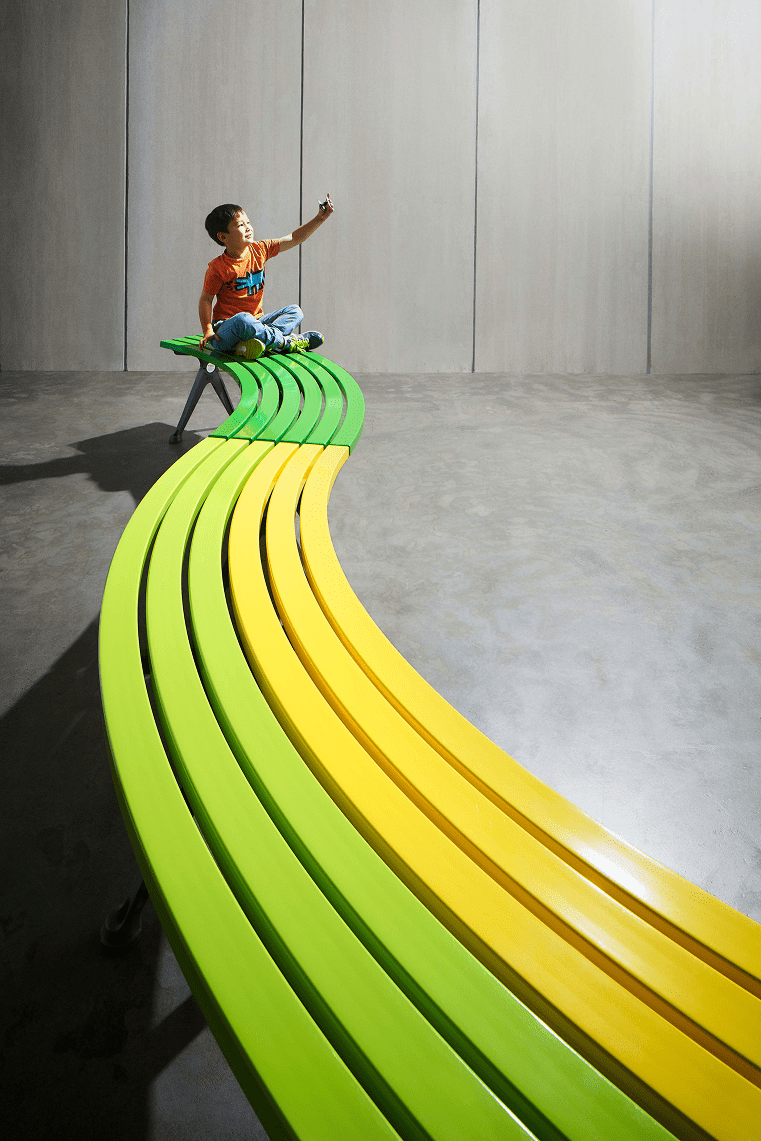
Introducing the new Pillar Leg
Street Furniture Australia’s new Pillar Leg is slimmer but sturdier. Discover what goes into a furniture leg, from fixing and accessibility to design. Read More
-
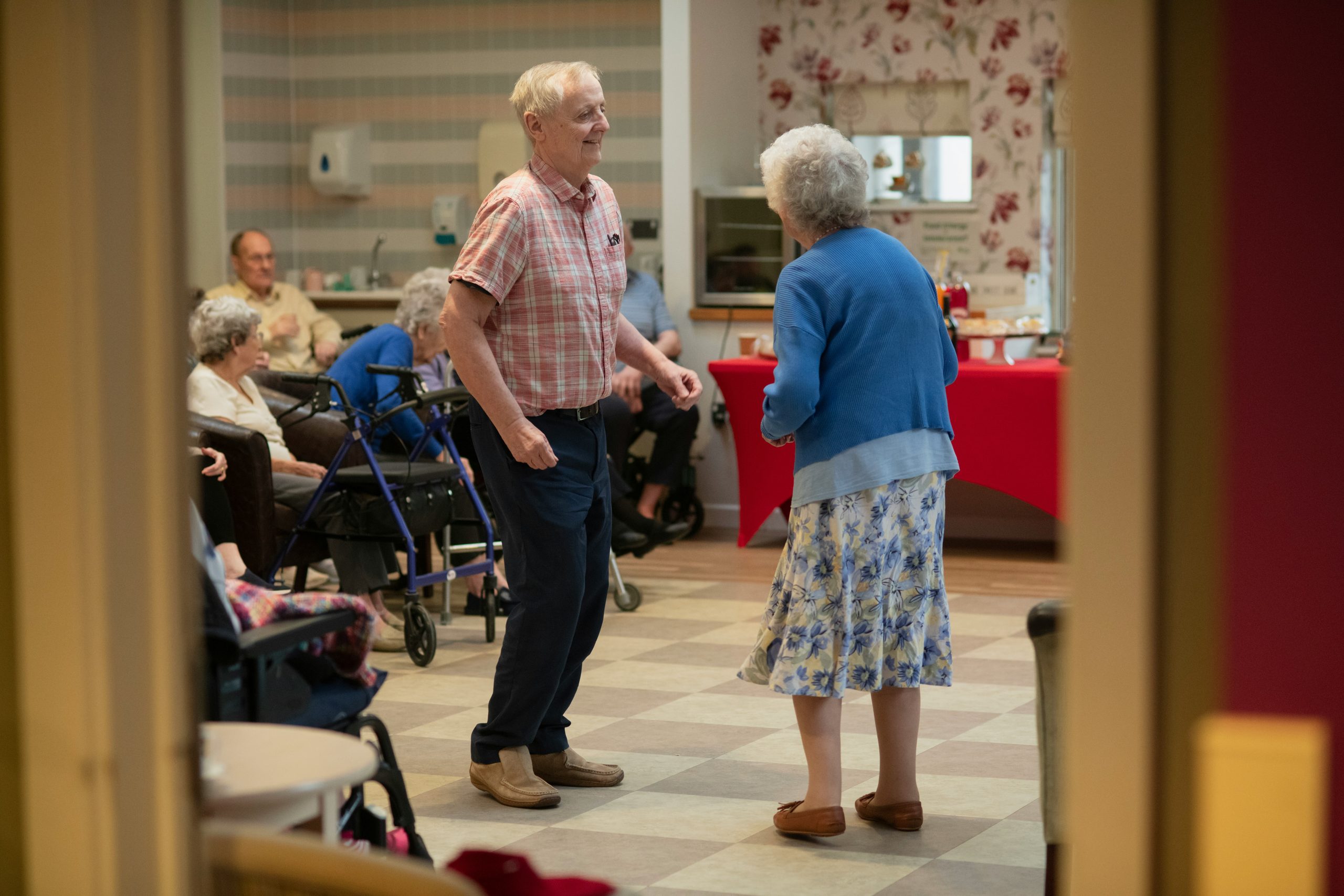
14th Street Y: From active space to community
How did a quiet gym lobby bring together 420+ locals? Learn how 14th Street Y uses social infrastructure and cheap coffee to build community. Read More
-
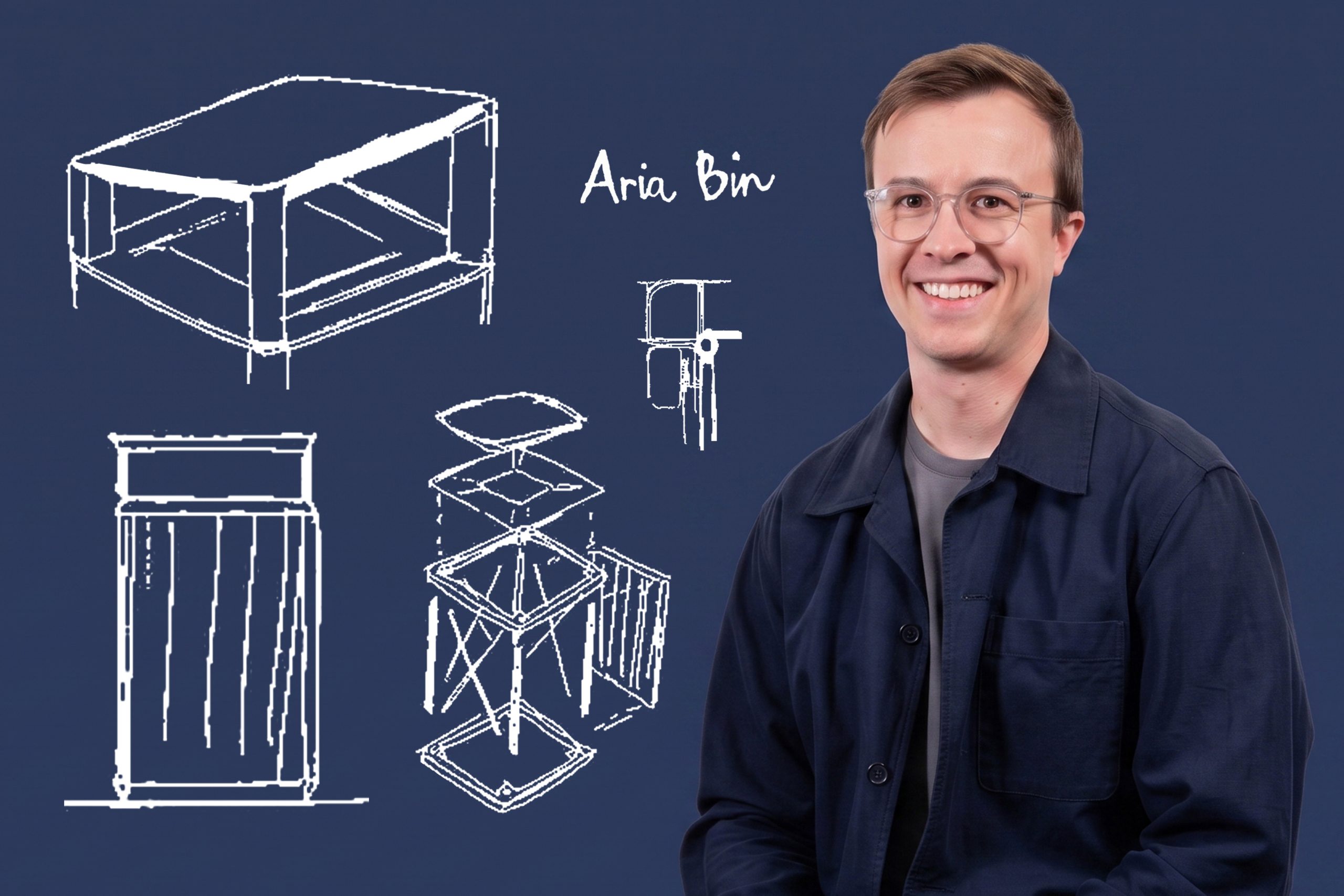
The design story behind Aria Bin
By Francis McArdle, Lead Designer of Aria Bin. There may be no piece of public infrastructure more overused and underappreciated than the humble bin. A basic necessity in... Read More
-
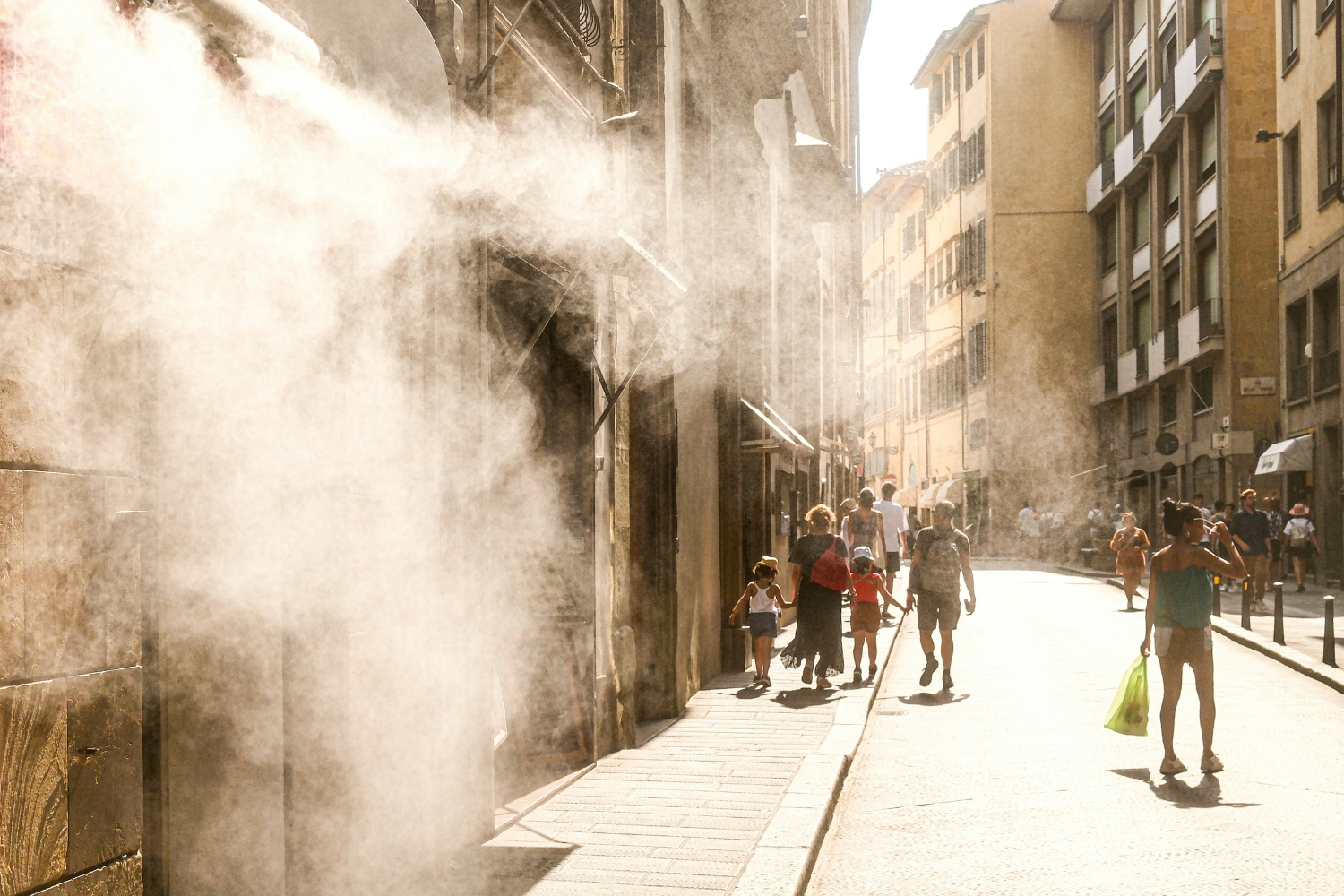
Should heat be regulated?
What if cities regulated heat like fire and flooding? ASLA explores how thermal performance could become a standard part of urban design. Read More